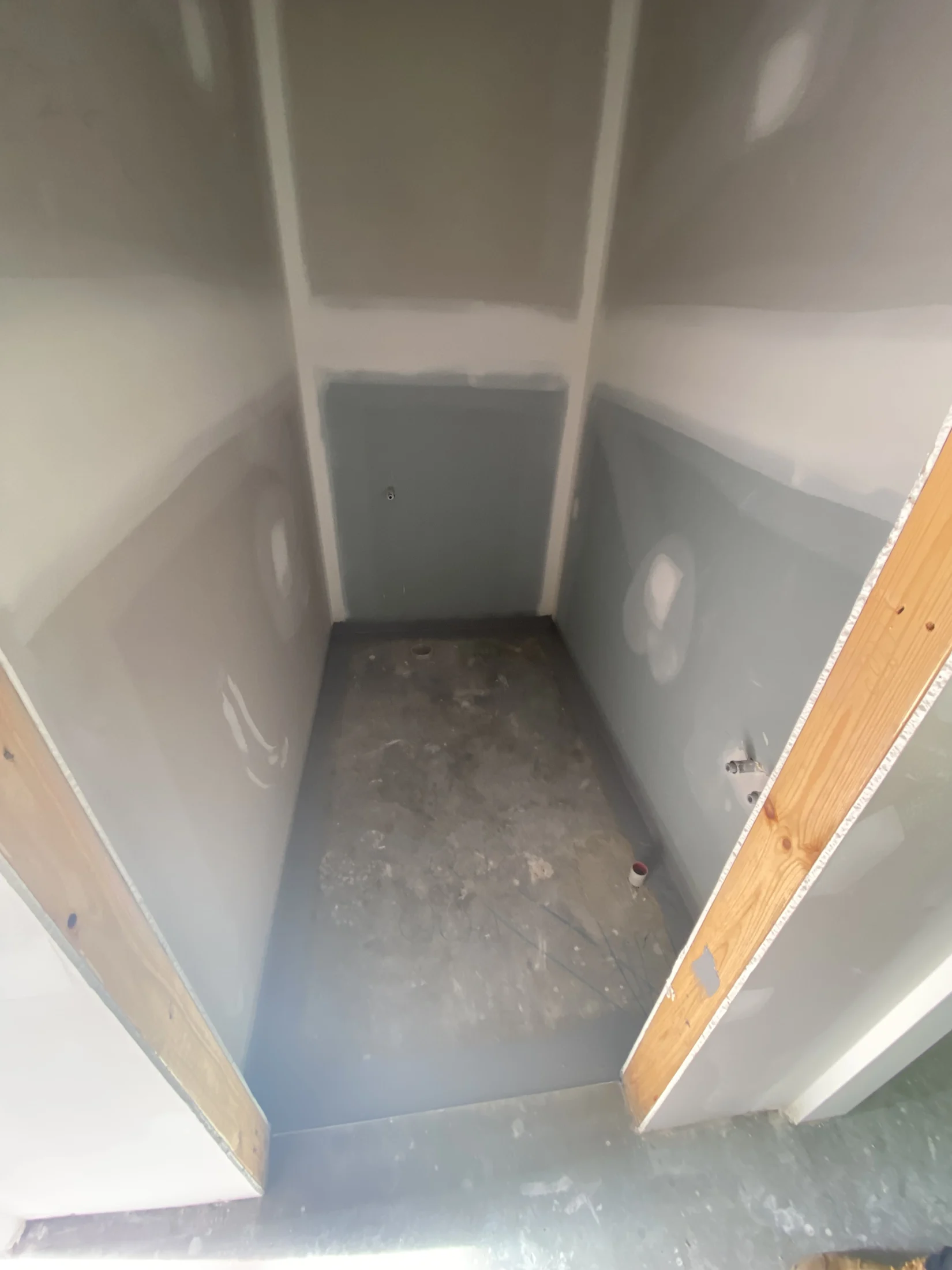
Waterproofing is one of the most critical components of any new home, and one of the least visible once construction progresses. When waterproofing is done correctly, nobody thinks about it again. When it is done poorly, the consequences often show up months after handover, swollen skirting, mould smells, lifting tiles, staining to ceilings below, or deteriorating balcony junctions. In this article, I’ll explain what experienced inspectors are actually looking for before tile
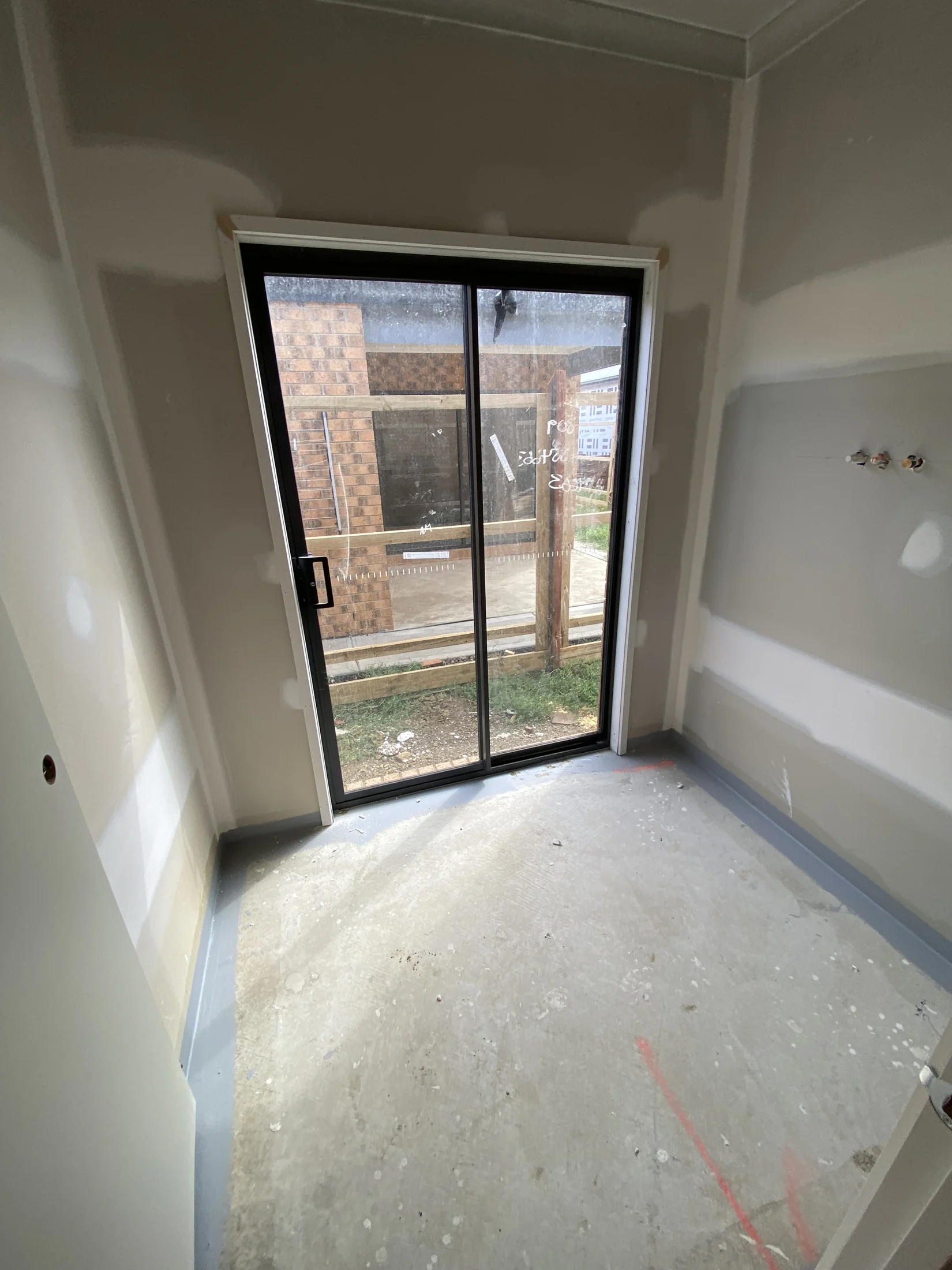
When Should Waterproofing Be Inspected During a Build? Homeowners often assume waterproofing only becomes relevant once bathrooms start looking finished. In reality, waterproofing is one of the most important hidden construction steps, and the best time to inspect it is before tiles or floor finishes are installed . Understanding when waterproofing is applied, and when it should be reviewed, helps homeowners follow the construction process with confidence and ensures any issu
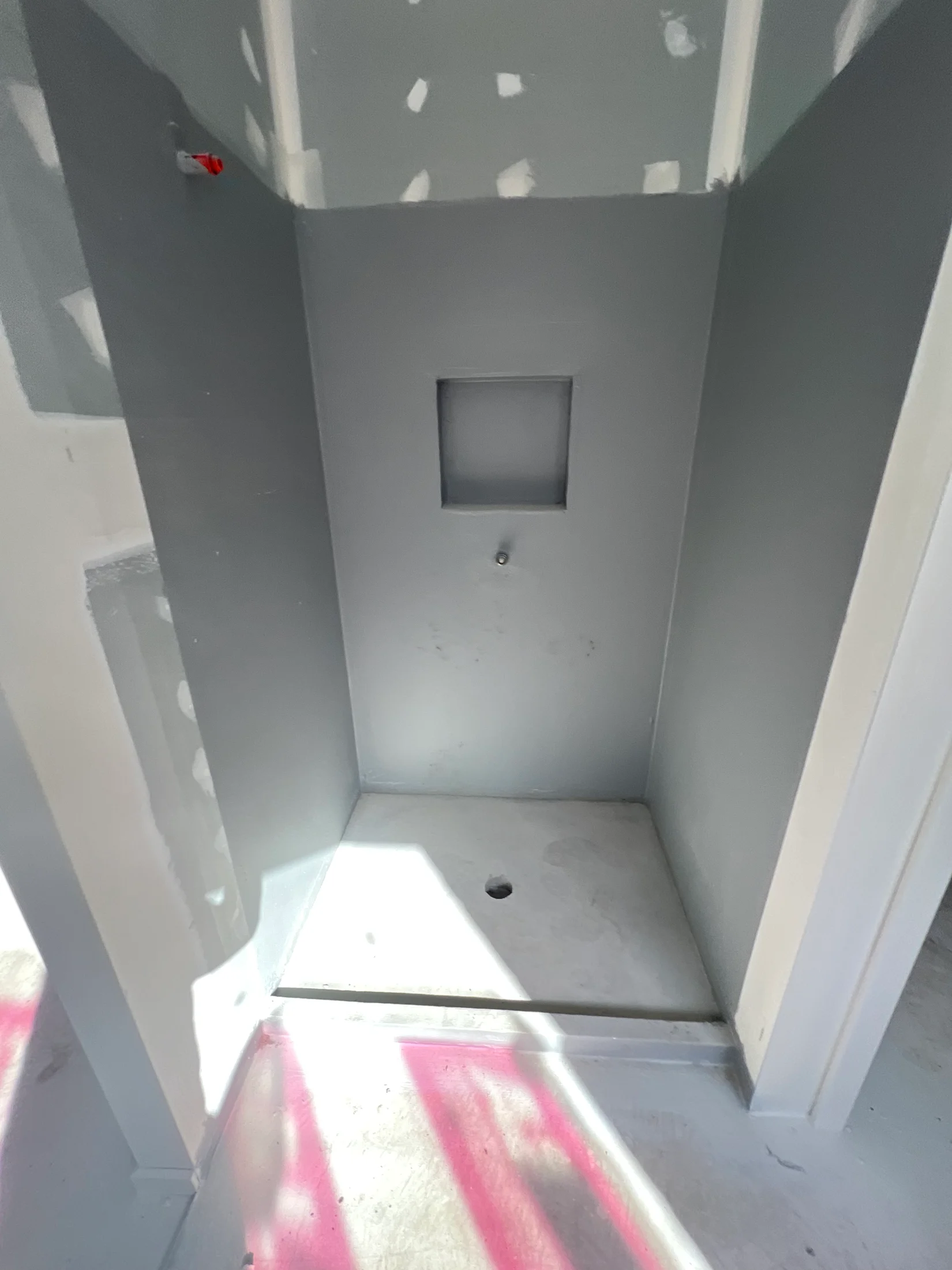
Waterproofing Defects: Membrane Damages and Pinholes — What Homeowners Should Know Waterproofing membranes play a critical role in protecting wet areas such as bathrooms, laundries, and shower recesses. When installed correctly, they form a continuous barrier that prevents moisture from penetrating into framing, flooring, and surrounding structural elements. During staged construction inspections , inspectors sometimes observe small membrane punctures, pinholes, surface scuff
Understanding what this issue involves In wet areas such as bathrooms, ensuites, laundries, and some powder rooms, water stops are installed at doorways or floor transitions. Their role is to help contain water within the wet area and reduce the chance of water flowing into adjoining rooms. This defect occurs when the water stop does not finish level with the final tiled floor. Most commonly, the water stop ends up too low and becomes buried beneath the finished tiles rather