Browse article topics
Are Your Articulation Joints Bridged? A Common Brickwork & Render Defect in Melbourne New Builds
When a new home is built, certain design features are intentionally included to allow the structure to move naturally over time. One of the most important of these is articulation joints in brickwork and cladding systems.
However, during construction, these joints can sometimes be unintentionally filled or “bridged” with mortar or render. This may seem minor at first glance, but it can affect how the home performs as it settles and responds to movement.
Understanding how articulation joints work, and why bridging them can cause issues, helps explain why independent inspections are carried out at multiple stages. This is covered in New Build Stage Inspections in Melbourne — A Complete Guide to Every Inspection Stage, where each stage plays a role in identifying issues before they become difficult to access.
This type of defect is also commonly identified during final checks, alongside other items outlined in Practical Completion Inspection Checklist — What Inspectors Look For Before Handover.
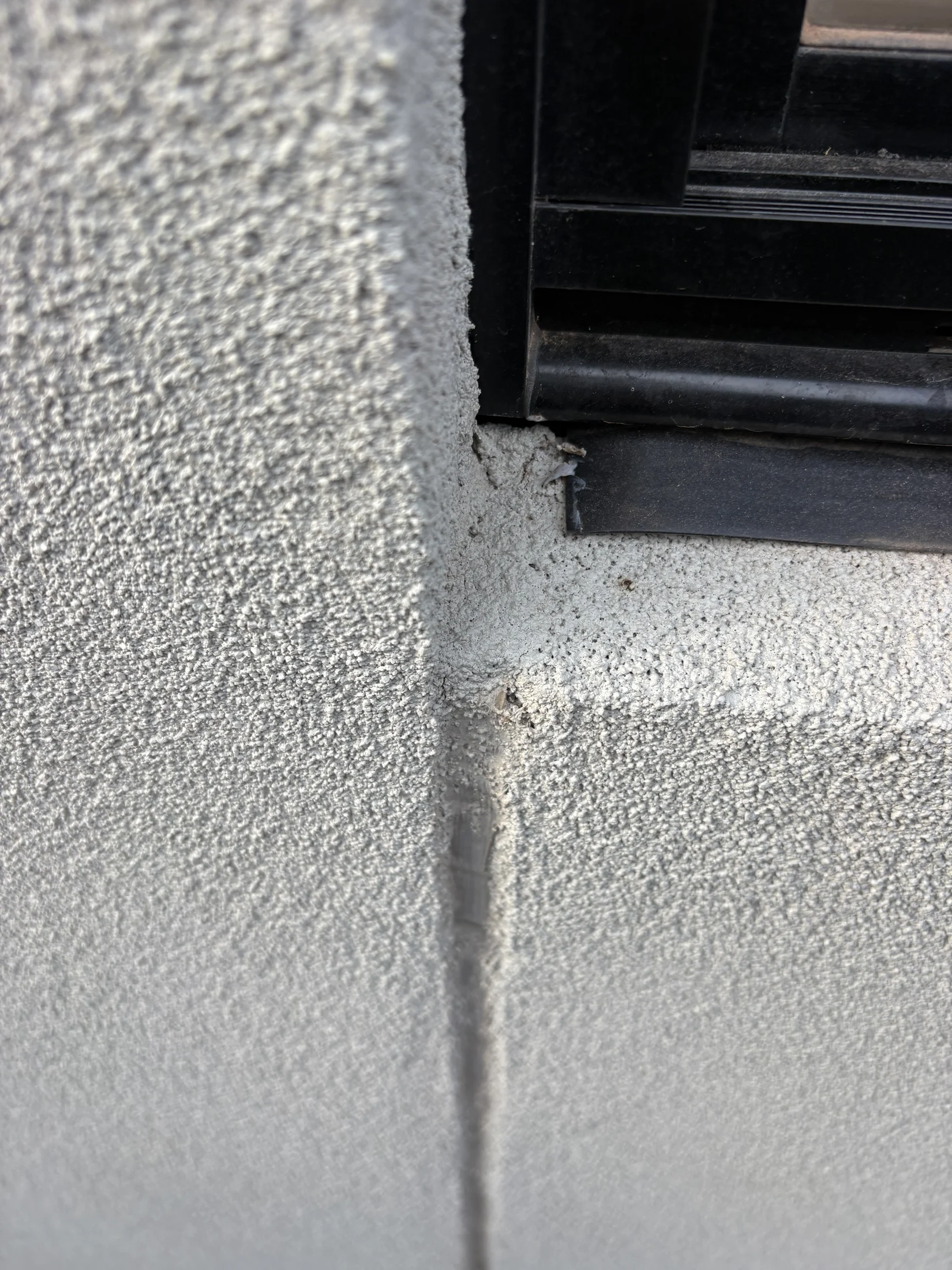
What Are Articulation Joints and Why Do They Matter
Articulation joints, often referred to as movement joints, are vertical separations built into brickwork or cladding systems. Their purpose is simple: allow controlled movement.
All homes move. This can be due to:
Reactive soil conditions common across Melbourne growth corridors
Thermal expansion and contraction
Structural loading and settlement over time
Articulation joints act as controlled “release points” so that movement is absorbed in a planned location, rather than causing random cracking throughout the wall.
In both brick veneer and AAC panel construction, these joints are critical to long term performance. Without them functioning correctly, stresses can build up within the wall system.
What Does “Bridging” Mean in Brickwork and AAC Panel Systems
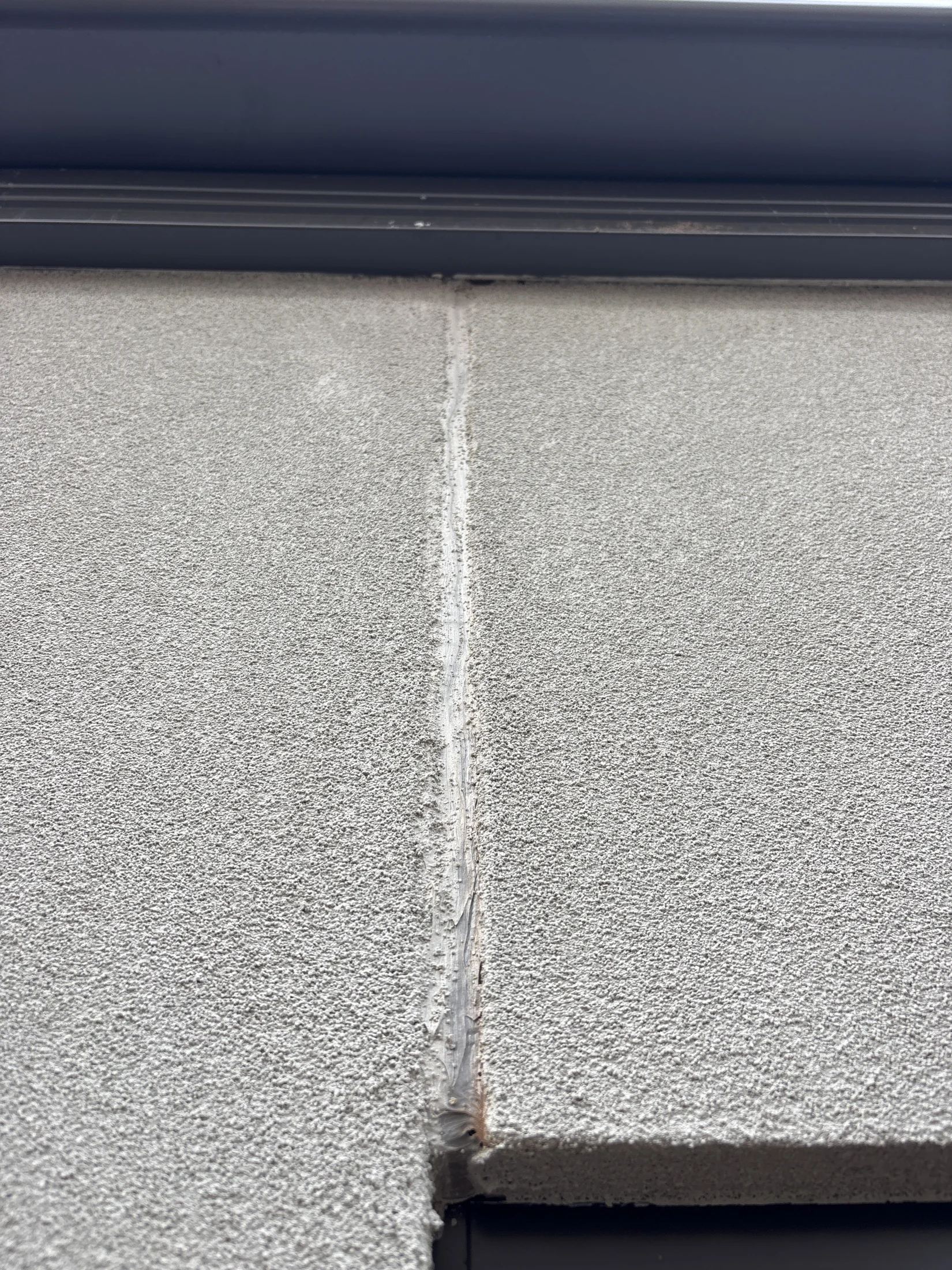
Bridging occurs when the articulation joint is unintentionally filled, removing its ability to move.
In brickwork, this typically happens when:
Mortar drops into the joint during laying
Joints are packed solid rather than left open or properly sealed
Finishing works unintentionally close the joint
In AAC panel systems, bridging usually occurs when:
Render is applied continuously across the joint
Reinforcement mesh spans across the joint
Flexible sealants are not correctly installed
While the wall may appear clean and complete, the joint is no longer functioning as intended.
Why Bridged Articulation Joints Become a Problem Over Time
When articulation joints are bridged, movement does not stop. It simply transfers elsewhere.
Over time, this can lead to:
Cracking forming away from intended joint locations
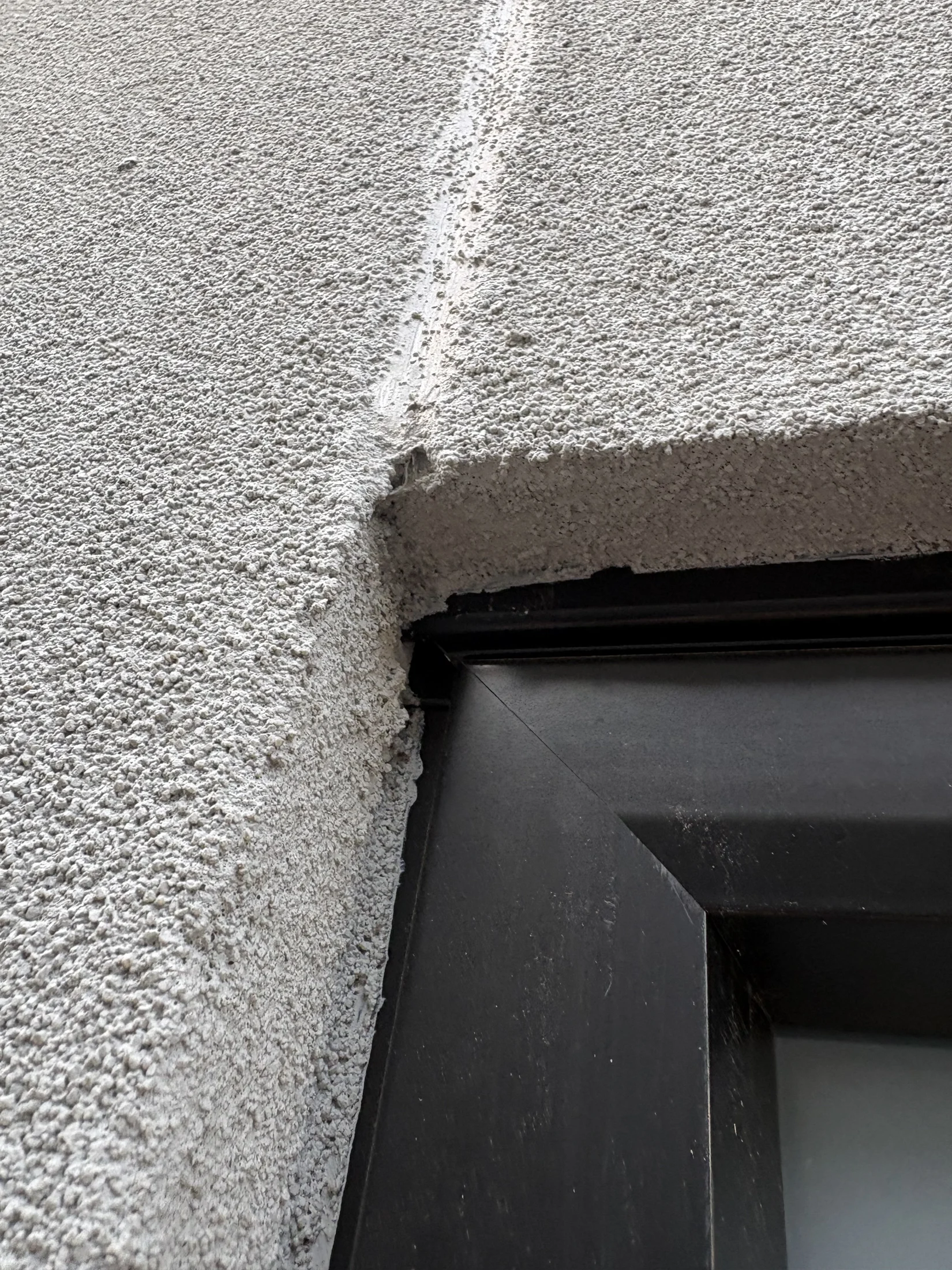
Stress building around openings such as windows and doors
Separation between materials
Water ingress pathways forming through cracks
These issues often become more noticeable after handover, particularly as the home goes through seasonal changes.
This is why cracking-related defects are often discussed alongside broader issues covered in Cracks in New Homes — What Is Normal and When Should Homeowners Be Concerned?
The key point is that articulation joints are preventative by design. When they do not function, the building behaves differently than intended.
When This Defect Is Typically Found During Construction
Bridged articulation joints can be identified at several stages, depending on the construction method.
Frame Stage
Joint locations are established in design and early construction
Not typically visible as a defect yet
Lock-Up Stage
Brickwork or cladding is installed
Mortar bridging may already occur in brick veneer
Early visual identification is possible
This stage is often assessed alongside other items in Common Defects Found at Lock-Up Stage in Melbourne New Homes
Pre-Plaster Stage
Internal linings are not yet installed
External articulation joints may still be accessible
AAC panel systems may reveal early render preparation issues
Practical Completion Inspection (PCI)
Render and finishes are complete
Bridging is often most visible here
Remediation may be more complex at this stage
This is why understanding timing is critical, as explained in When Is the Right Time to Book Each Stage Inspection for a New Build?
How Inspectors Identify Bridging Issues
Inspectors typically assess articulation joints visually and contextually.
Common indicators include:
Continuous render across what should be a visible joint
Mortar filling vertical joint gaps in brickwork
Lack of flexible sealant where expected
No visible separation between wall sections
Inspectors also consider:
Joint spacing and placement
Whether joints align with design expectations
Whether movement allowance appears restricted
In some cases, accessibility is limited depending on stage and finishes. This is why multiple inspections improve the likelihood of early identification.
Brick vs AAC Panel Homes — Why the Risk Differs
While both systems rely on articulation joints, the way bridging occurs differs.
Brickwork
Risk often comes from workmanship during laying
Mortar droppings or incorrect finishing can fill joints
Issues may be less visually obvious until cracking appears
AAC Panel Systems
Risk is more commonly linked to render application
Continuous finishes can unintentionally span joints
Defects may be easier to visually identify at PCI stage
Across Melbourne estates, AAC panel façades and rendered finishes are increasingly common. This makes articulation joint performance particularly important in modern builds.
Suburbs with high volumes of rendered homes such as Clyde North, Tarneit, and Donnybrook often see similar defect patterns, which is why location-specific inspections like New Build Stage Inspections in Tarneit and New Build Stage Inspections in Clyde North are valuable.
Can This Be Fixed Before Handover
In many cases, yes, particularly if identified early.
Rectification approaches may include:
Removing mortar from joints in brickwork
Cutting back render to re-establish joint separation
Installing appropriate backing rod and flexible sealant
Reinstating joint function as per design intent
The earlier the issue is identified, the more straightforward it tends to be to address. At later stages, rectification may involve reworking finished surfaces, which can be more disruptive.
How to Avoid This Issue in Your Build
From a homeowner’s perspective, the key is visibility and timing.
Practical steps include:
Ensuring articulation joints are discussed early in the build
Booking inspections at appropriate stages, not just at handover
Understanding that some defects are only visible before finishes are applied
This aligns with broader inspection planning discussed in Why Independent Inspections Are Carried Out at Multiple Stages of a New Build
The goal is not to find faults, but to ensure key elements of the home are functioning as intended before they are covered or completed.
Why This Defect Often Appears Alongside Other Issues
Bridged articulation joints rarely occur in isolation. They are often seen alongside:
Render cracking
Brickwork alignment issues
Inadequate sealant installation
Waterproofing detailing concerns
For example, articulation issues may be identified alongside defects discussed in:
Paint Defects in New Homes — What Should Be Fixed Before Handover
Waterproofing Defects in New Homes — What Homeowners Should Understand Before Problems Appear
Common Defects Found at Practical Completion Stage in Melbourne
This reinforces the importance of viewing defects as part of a broader system, rather than isolated items.
FAQs
What is an articulation joint in brickwork?
An articulation joint is a vertical gap in brickwork designed to allow movement without causing uncontrolled cracking.
Why is bridging articulation joints a problem?
Bridging restricts movement, which can lead to cracking, stress, and water ingress over time.
Are articulation joints required in all homes?
They are commonly required in brick veneer and AAC panel homes, particularly in areas with reactive soil.
Can this defect be fixed after construction?
It can often be corrected, but early identification makes the process simpler and less disruptive.
When should articulation joints be inspected?
They can be assessed at lock-up, pre-plaster, and PCI stages as part of staged inspections.
Are Your Articulation Joints Bridged? A Common Brickwork & Render Defect in Melbourne New Builds
In many new homes, articulation joints are present but not always functioning as intended due to bridging.
While the issue may not be immediately visible to homeowners, it can influence how the home performs over time. Movement is a normal part of any structure, and articulation joints are designed to manage that movement in a controlled way.
Ensuring these joints are correctly installed and maintained is a key part of delivering a home that performs as expected, both at handover and into the future.