Browse article topics
Gaps Around Lights and Electrical Fittings? What It Means in a New Build
Updated:
When you walk through a newly built home, it is easy to focus on the big items. Paint finish, cabinetry, flooring. But some of the most important defects are small and easy to miss.
One of those is Gaps Around Lights and Electrical Fittings which can be found in locations such as as lights, switches, exhaust fans and external fittings.
These gaps are commonly picked up during inspections alongside issues discussed in New Build Stage Inspections in Melbourne — A Complete Guide to Every Inspection Stage, Why Independent Inspections Are Carried Out at Multiple Stages of a New Build, and When Is the Right Time to Book Each Stage Inspection for a New Home? because they often relate to timing, sequencing and finish quality.
At first glance, a small gap around a light fitting might not seem like much. In reality, it can allow air movement, moisture entry and even pests into wall and ceiling cavities. In some cases, it also indicates rushed or incomplete finishing work.
In growth corridors like Cobblebank, Weir Views, Strathtulloh and Plumpton, we often see rushed, or mis scheduled works resulting in defects like gaps around lights and electrical fittings.
What Are Gaps Around Lights and Electrical Fittings?
Unsealed electrical fixtures refer to gaps or openings where fittings meet surrounding surfaces.
This commonly includes:
Ceiling light fittings with visible gaps to plaster
Exhaust fans not sealed to ceiling linings
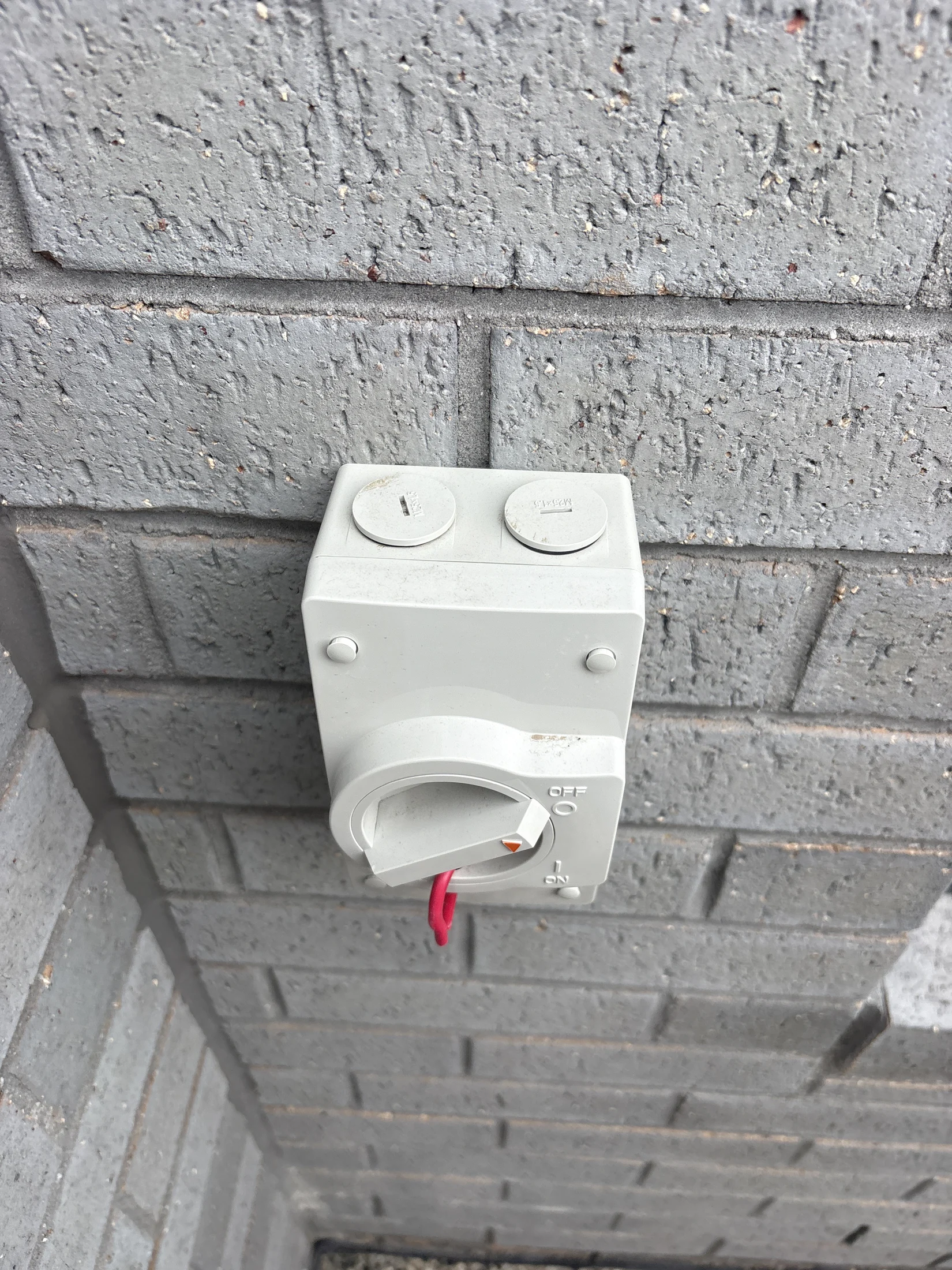
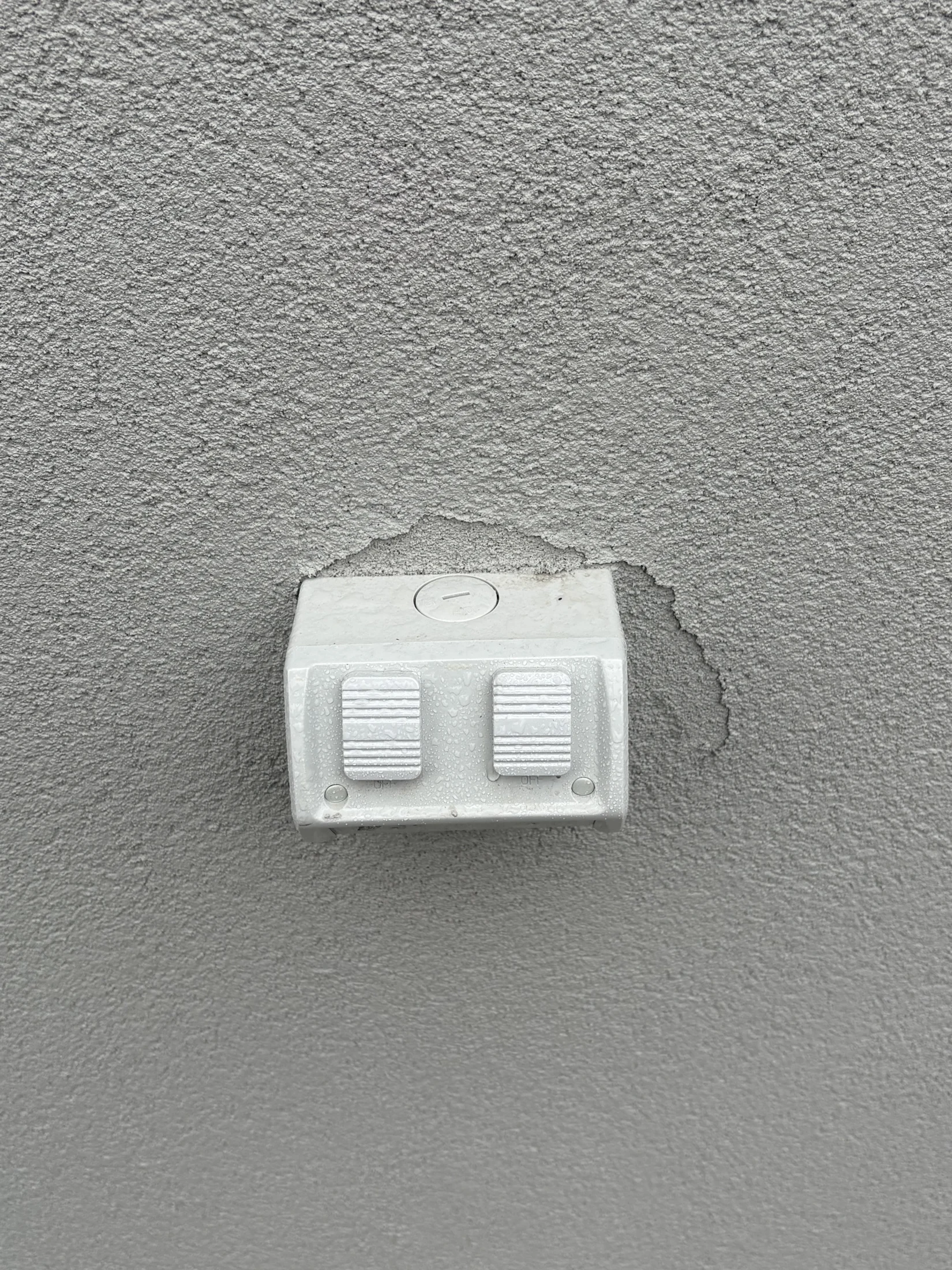
External light fittings not sealed to brick or cladding
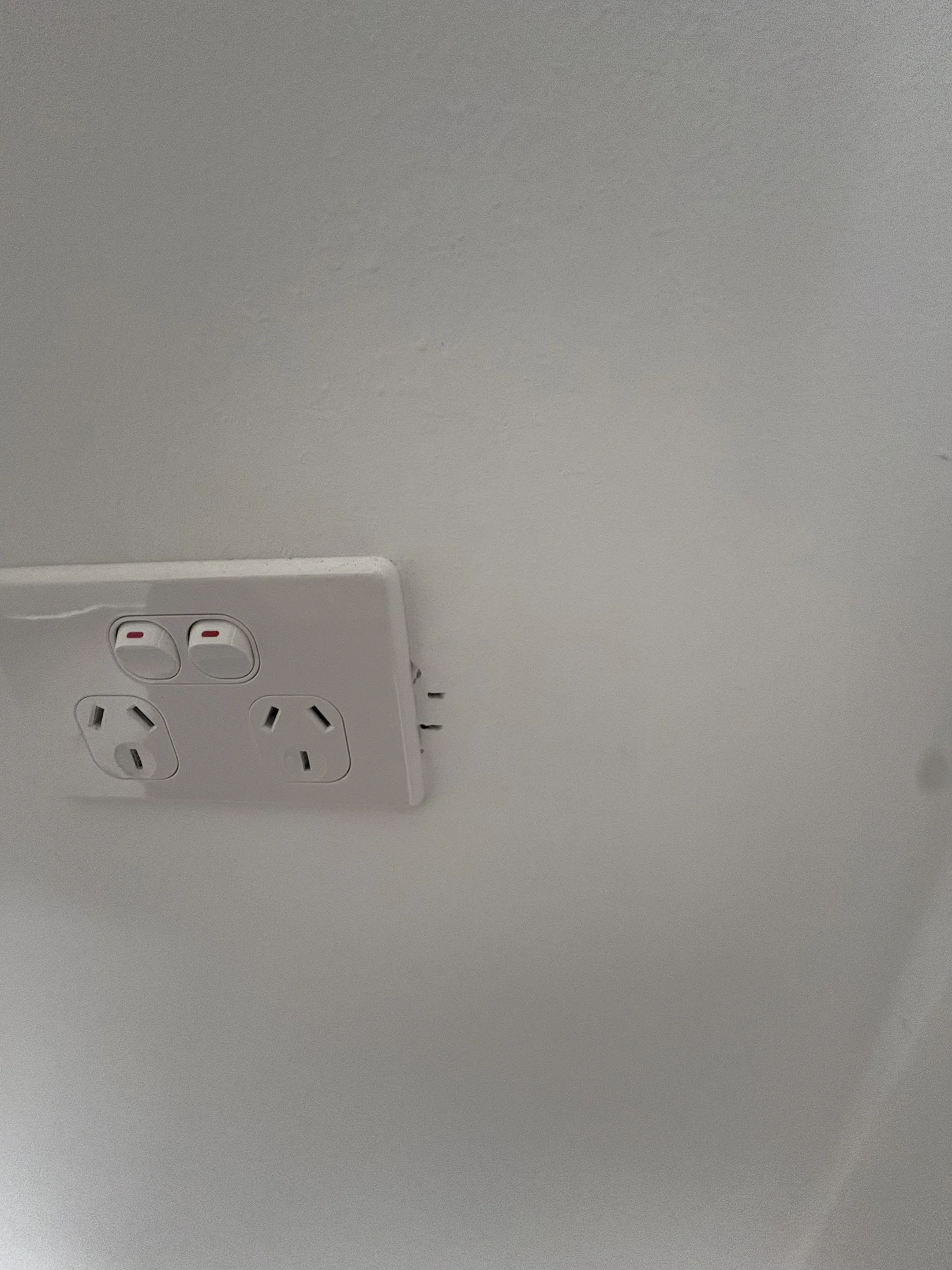
Power points and switches with visible perimeter gaps
Downlights with air gaps into roof cavities
In simple terms, anything that penetrates a wall or ceiling should sit tight and be properly sealed where required.
Where This Defect Commonly Occurs
This issue is regularly found in:
Ceilings
Downlights and surface-mounted lights
Exhaust fans in bathrooms
Ceiling penetrations into roof space
Bathrooms and Wet Areas
Around exhaust fans
Near mirrored cabinets with lighting
Adjacent to waterproofed zones
This ties closely to risks outlined in Waterproofing Defects in New Homes — What Homeowners Should Understand Before Problems Appear, where even small penetrations can compromise performance over time.
External Walls
Outdoor lights
Garage lighting
Entry fixtures exposed to weather
External penetrations also link to broader sealing issues seen in Window Flashing Defects in New Homes — Why Water Can Get In Around Windows, where poor sealing allows water tracking behind surfaces.
Internal Walls
Power points
Light switches
Data points
Why Sealing Around Electrical Fixtures Matters
A small gap can lead to several issues over time.
Moisture Entry
In bathrooms and external walls, gaps allow moisture to track into cavities. This can lead to:
Dampness behind linings
Mould growth
Long-term deterioration
Air Leakage
Unsealed penetrations allow uncontrolled air movement:
Reduces energy efficiency
Causes drafts
Impacts internal comfort
Pest Entry
Small openings are enough for:
Insects
Spiders
Even rodents in some cases
Reduced Finish Quality
Even if performance isn’t immediately affected, it reflects:
Poor workmanship
Lack of finishing detail
Rushed completion
These types of finishing defects often appear alongside issues like Gaps Around Door and Window Frames in New Builds — What’s Acceptable? where final detailing has not been completed properly.
What Standards and Good Practice Expect
While not every fixture requires visible sealant, good building practice generally expects:
Fixtures to be installed tight and flush
External penetrations to be sealed against weather
Wet area penetrations to not compromise waterproofing systems
The intent is simple: Prevent water, air and contaminants from entering concealed areas.
Gaps around fittings are often the result of earlier-stage installation decisions. Understanding how these details evolve through construction is easier when viewed through staged inspections, particularly in newer areas like Armstrong Creek, Clyde, Donnybrook and Weir Views where sequencing between trades is tightly managed.
What Can Happen If Left Unsealed
In many cases, nothing dramatic happens immediately. But over time:
Moisture builds up behind walls or ceilings
Paint and finishes deteriorate
Mould develops in concealed areas
Fixtures loosen or shift
Energy efficiency reduces
This aligns with issues often identified later in homes discussed in What Can and Cannot Be Seen After Walls Are Lined, where early-stage defects become hidden problems.
It also overlaps with issues like Water Stains on Ceilings in New Homes — What They Mean and When to Act, where the original cause is often difficult to trace back.
What Inspectors Look For
At Fix Stage
At fix stage inspection inspectors will check:
Correct positioning of electrical cables (pulled through)
Penetrations through linings
Whether gaps are excessive or poorly cut (if cut outs have been completed
At this stage, sealing may not always be finalised yet, but installation quality is assessed early.
Small details around service penetrations can easily be overlooked during construction. Electrical fittings, for example, are not always sealed correctly at ceiling level, which can impact both performance and compliance. These types of issues are typically picked up during New Build Stage Inspections Strathtulloh, when services are still visible and can be properly assessed before linings are installed.
At PCI / Handover Stage
At PCI stage inspection this is where it becomes more critical.
Inspectors check:
Visible gaps around fittings
External sealing to prevent water entry
Bathroom exhaust fan sealing
Overall finish quality
These are typically included alongside other final defects in Practical Completion Inspection (PCI) — What Homeowners Should Expect at Handover and often grouped with finishing issues like Loose or Hollow Tiles in New Homes — What It Means at Handover.
What Is Considered Acceptable vs Defective
Generally Acceptable
Minor, tight tolerances where fixture sits flush
No visible openings
No pathway for water or air
Typically Defective
Visible gaps between fixture and surface
External fittings not sealed to wall
Exhaust fans with air gaps into ceiling
Poorly cut openings exposing substrate
How This Defect Is Usually Fixed
Fixing unsealed electrical fixtures is typically straightforward:
Apply appropriate sealant around fittings
Reinstall or adjust fixture to sit flush
Use backing plates or trims if required
Ensure external fittings are weather sealed
In some cases, the issue may sit with installation tolerances, similar to what is seen in Uneven or Out of Level Fixtures in New Homes — What’s Within Tolerance?, where the solution involves adjustment rather than major rework.
Can This Be Seen After Completion?
Yes and no. Some gaps remain visible after handover and can be addressed easily.
However:
Ceiling penetrations into roof space may not be visible
Bathroom sealing issues can be partially concealed
External fittings may look fine but still allow ingress
This is why early inspections matter, as explained in Why Independent Inspections Are Carried Out at Multiple Stages of a New Build.
When This Defect Is Usually Identified
Most commonly:
At fix stage (early signs)
At PCI or handover (final finish issues)
Less commonly:
Post-handover when issues like drafts, pests or moisture appear
This timing is covered clearly in When Is the Right Time to Book Each Stage Inspection for a New Home?, where finishing defects are often concentrated toward the final stages.
How This Relates to Other Common Defects
Unsealed electrical fixtures often sit alongside:
Gaps around door and window frames
Poor sealing in wet areas
Incomplete waterproofing transitions
Ceiling penetrations left untreated
These are all part of broader finishing quality and are often interconnected with issues explained in Construction Stage Inspections in Melbourne — What They Are And Why They Matter.
Suburb-Specific Context in Melbourne Growth Areas
In high-growth areas such as New Build Stage Inspections in Tarneit, New Build Stage Inspections in Clyde North, New Build Stage Inspections in Donnybrook, and New Build Stage Inspections in Truganina, these defects are more commonly observed due to:
Fast build timeframes
Trade sequencing pressure
High-volume construction environments
These environments can increase the likelihood of small finishing defects being missed without independent oversight.
Final Thoughts
Gaps around electrical fixtures might seem minor, but they are a clear indicator of finish quality and attention to detail. In some cases, they are purely cosmetic. In others, they can allow moisture, air and pests into areas that should remain protected.
The key is not to overreact, but also not to ignore them.
These are exactly the types of defects that are easy to fix early and harder to identify later, which is why they are consistently picked up during structured inspections outlined in New Build Stage Inspections in Melbourne — A Complete Guide to Every Inspection Stage.
FAQs
Are gaps around light fittings normal in new homes
Small tolerances can exist, but visible gaps are generally not considered good finish quality
Do unsealed electrical fixtures cause leaks
They can contribute to moisture entry, especially in bathrooms and external walls
Is this a major defect
Usually minor, but can become more serious depending on location and exposure
Should external lights be sealed to walls
Yes, external fittings should be sealed to prevent water ingress
Can I fix this myself
In many cases yes, but proper materials and neat application are important
Will builders fix this at handover
Yes, these are typically included in defect lists at PCI stage
Are downlights supposed to be airtight
They should be installed properly to minimise air leakage into roof spaces
Do gaps affect energy efficiency
Yes, unsealed penetrations allow air movement and reduce efficiency
Is this covered under warranty
Generally yes as part of workmanship defects
Do bathroom exhaust fans need sealing
They should be installed properly to avoid air and moisture leakage
Can pests enter through these gaps
Yes, even small openings can allow insects into cavities
Is this picked up in inspections
Yes, commonly identified during fix and PCI inspections
What if the gap is very small
If it is tight and not allowing air or moisture through, it may be acceptable
Can this cause mould
ndirectly yes, if moisture enters concealed areas
Why do builders miss this
Often due to time pressure or sequencing rather than major construction issues