Browse article topics
New Build Inspections Melbourne
Updated:
Why Melbourne New Building Stage Inspections Matter on Real Building Sites
Building a new home is one of the largest financial commitments most Australians will ever make. For many people, it’s also unfamiliar territory. Once construction starts, work moves quickly, trades come and go, and critical elements are often covered up within days. If something is done incorrectly early on, it can be extremely difficult—or impossible—to fix later without major cost.
In Melbourne, new building stage inspections exist to slow things down just enough to confirm that key parts of the build are being completed correctly before the next stage begins. They are not about nit-picking or mistrust. They are about verification. In practical terms, they provide an independent check at points where mistakes are most likely to cause long-term issues.
For homeowners, builders, and site managers alike, understanding what these inspections are—and what they are not—helps reduce disputes, unexpected costs, and future maintenance problems.
Independent inspections are designed to provide a practical review of workmanship at key stages of construction, including final finishes like paintwork. Paint Defects in New Homes: What Should Be Fixed Before Handover in Melbourne highlights how these issues are identified during the final inspection stage.
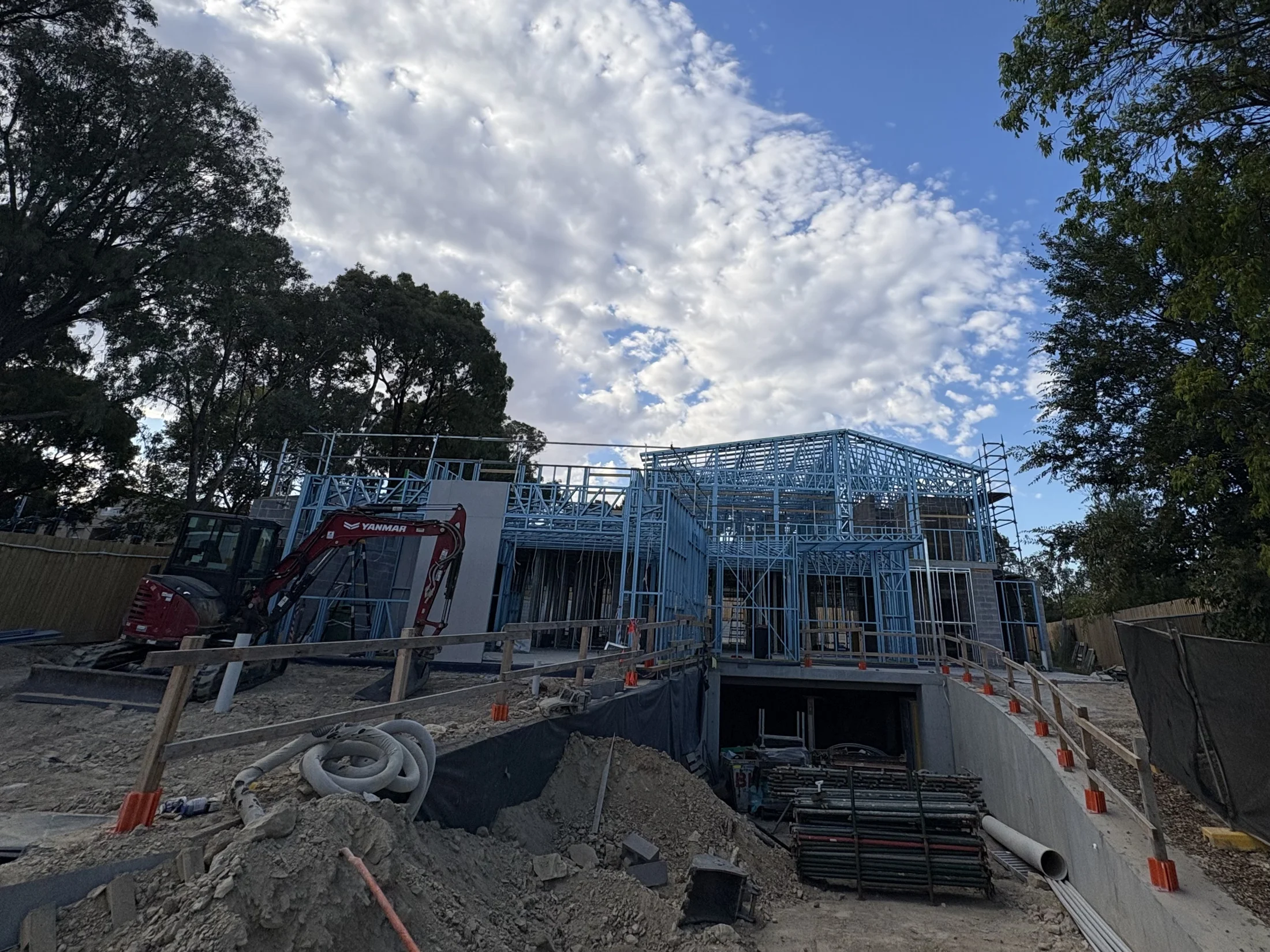
What People Mean by “New Building Stage Inspections”
A new building stage inspection is a review of construction work at a specific point in the build, before the next phase proceeds. Each stage focuses on elements that will soon be hidden or locked in by subsequent work. You can read more about why independent inspections are carried out at multiple stages of a new build here.
Typical stages include:
Pre-slab or base stage
Slab or footing stage
Frame stage
Lock-up
Fixing
Practical completion
At each stage, the inspection checks whether the work completed so far generally aligns with:
The approved plans
Relevant Australian Standards
The National Construction Code (NCC)
Accepted building practice
It’s important to understand that stage inspections are not a guarantee of perfection. They don’t replace the builder’s responsibility, and they don’t redesign the job. They simply identify issues that are visible and relevant at that point in time—before those issues are buried behind concrete, plaster, brickwork, or finishes.
How Stage Inspections Affect the Outcome of a Build
Most construction problems don’t start as major defects. They start as small oversights.
A missing termite barrier.A frame member not properly fixed. Inadequate drainage falls under a slab.Incorrect flashing around a window.
Individually, these might seem minor. But once the build progresses, the cost and complexity of rectifying them increases dramatically.
For example:
A slab poured over poorly prepared ground can lead to cracking years later
A frame that isn’t square can cause ongoing issues with doors, cabinetry, and finishes
Poor waterproofing details can result in moisture damage that only becomes visible long after handover
Stage inspections help catch these problems when they are still relatively easy to address. In many cases, a simple adjustment at the right time prevents years of frustration later.
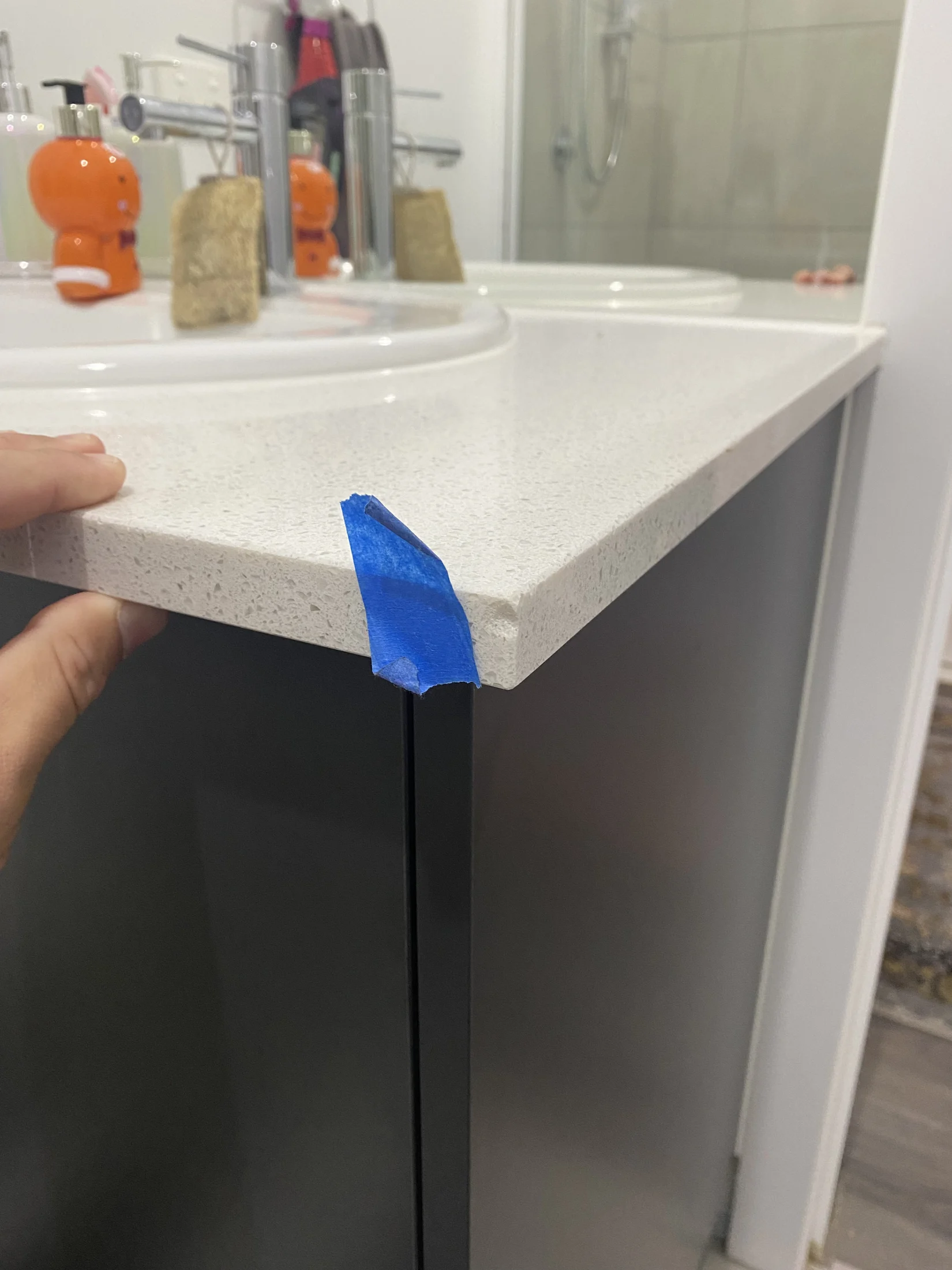
Where People Commonly Get This Wrong
One of the most common misunderstandings is assuming that mandatory building surveyor inspections cover everything. They don’t.
Building surveyors are required to check certain regulatory milestones, but their role is limited. They are not engaged to review workmanship in detail or assess compliance with every aspect of the contract documents.
Other common misconceptions include:
“The builder will pick it up anyway.”
“Issues can be fixed later.”
“An inspection means there must be something wrong.”
“It will delay the build.”
In reality, inspections planned properly rarely cause delays. Rectifying hidden issues later almost always does.
What’s Typically Reviewed at Each Stage of Construction
What is checked depends on the stage, but the approach is generally consistent: confirm that what should be done at that point has been done properly, and that it won’t compromise later work.
Pre-Slab or Base Stage Inspection
Site preparation and drainage
Set-out against approved plans
Termite management systems
Ground clearances
Slab Stage Inspection
Reinforcement placement
Slab thickness and edge beams
Penetrations and services
Vapour barriers
Frame Stage Inspection
Structural alignment and bracing
Tie-downs and fixings
Openings sized correctly for windows and doors
Compliance with engineering details
Lock-Up Stage Inspection
External envelope integrity
Flashings and moisture management
Window and door installation
Fix Stage & PCI/Handover Stage Inspection
Functional issues (doors, windows, fixtures)
Visible workmanship
Incomplete or damaged items
Professionals are not there to supervise the build or direct trades. They observe, document, and report so issues can be addressed while access is still possible.
The Long-Term Impact of Skipping or Rushing Inspections
Problems tend to surface at three key points when inspections are skipped or misunderstood.
During construction disputes
If an issue arises later, it can be difficult to establish when it occurred or who is responsible. Stage inspection records provide clarity.
After handover
Many defects only become apparent once the home is lived in. At that point, access is limited and rectification often involves finished surfaces.
At resale or renovation
Structural or compliance issues discovered years later can affect property value and complicate future works.
Ignoring stage inspections increases reliance on assumptions. Construction doesn’t reward assumptions.
What Homeowners and Builders Should Take From This
Stage inspections are about timing, not blame
Their value is in early identification, not fault-finding
They complement—not replace—the builder’s role
Clear communication matters more than the report itself
Most findings are manageable when addressed promptly
Once work is covered, options reduce significantly
For homeowners especially, understanding the process helps you stay informed and involved without needing to become a construction expert.
Common Questions About New Building Stage Inspections
Do I need inspections if I trust my builder?
Trust and verification aren’t opposites. Even well-run sites benefit from an extra set of eyes at key stages.
Are stage inspections legally required?
Some inspections by a building surveyor are mandatory. Independent stage inspections are optional but widely used.
Will inspections slow my build down?
When scheduled properly, they usually don’t. Fixing hidden issues later almost always causes greater delays.
What happens if issues are found?
Most are addressed as part of normal construction. Early identification keeps them manageable.
Can inspections change the design?
No. They assess what’s built against what was approved, not redesign the project.
Are all defects visible at inspection time?
No. Inspections focus on what can reasonably be seen at that stage.
Is one inspection enough?
Each stage covers different risks. One inspection can’t assess work that hasn’t happened yet.
Final thoughts
New building stage inspections aren’t about creating conflict or questioning competence. They exist because residential construction is complex, fast-moving, and often irreversible once work progresses. Understanding how these inspections fit into the building process allows everyone involved to make better decisions at the right time. Over the life of a home, that understanding often proves far more valuable than any single inspection itself.