Browse article topics
New Build Stage Inspections in Geelong, Victoria
Updated:
Geelong has become one of Victoria’s fastest-growing housing regions, with new residential estates expanding rapidly across areas such as Armstrong Creek, Grovedale, Charlemont, Lara and Leopold. As population growth continues along the Surf Coast and Bellarine Peninsula corridors, thousands of new homes are constructed across the Geelong region each year.
For many homeowners building in these areas, organising New Build Stage Inspections in Geelong has become an increasingly common step during the construction process.
Stage inspections allow an independent building inspector to review visible construction work at key milestones throughout the build. These inspections help document the condition of work before parts of the home become concealed behind plasterboard, tiling or finishes.
New Build Stage Inspections in Geelong are arranged alongside the builder’s internal quality checks and the mandatory inspections conducted by the building surveyor. They provide homeowners with an additional layer of visibility during construction and help explain how the different stages of a new home come together.
For homeowners building in Geelong and surrounding suburbs, understanding how stage inspections work can make the construction journey far more transparent.
What Are New Build Stage Inspections?
New build stage inspections are independent building inspections carried out at specific milestones during the construction of a home.
Rather than waiting until the home is complete, these inspections occur progressively as construction moves through each stage. This allows an inspector to observe visible work and document conditions before important building elements become hidden.
For example:
structural framing can only be properly inspected before plasterboard is installed
waterproofing systems can only be observed before tiles are laid
reinforcement placement can only be reviewed before a concrete slab is poured
For a broader overview of the full inspection sequence across Victoria, our guide New Build Stage Inspections in Melbourne — A Complete Guide to Every Inspection Stage explains how each inspection stage fits within the overall construction process.
Stage inspections generally review visible construction elements such as:
structural alignment
installation sequencing
visible workmanship
construction progress relative to the stage reached
These inspections do not replace the role of the building surveyor. Instead, they provide homeowners with additional documentation and understanding of how their home is being built.
Why Many Homeowners Arrange New Build Stage Inspections in Geelong
Constructing a new home involves many different trades working in sequence across several months. Carpenters, bricklayers, roofers, plumbers, electricians, plasterers and tilers all contribute to the finished home. Each trade relies on the work completed before them.
In rapidly expanding areas such as Armstrong Creek and Charlemont, builders are often managing multiple homes within the same estate at once. Construction schedules can move quickly as trades progress through different sites. Because the construction process moves quickly, some homeowners choose to arrange independent inspections to review construction milestones before the next stage begins.
Independent inspections provide:
photographic documentation of progress
an additional perspective on visible workmanship
clearer understanding of what has been completed at each stage
For many homeowners, this additional insight provides reassurance and helps them better understand how their home is progressing.
Common Stages of Construction of New Build Stage Inspections in Geelong
While construction sequences may vary slightly between builders, most homes follow a broadly similar progression.
These are the stages where independent inspections are most commonly arranged.
Slab Stage Inspection
The slab stage inspection usually occurs before the concrete slab is poured.
At this stage inspectors may review visible elements such as:
slab preparation
reinforcement placement
plumbing penetrations
slab formwork alignment
Because the slab forms the structural base of the home, documenting this stage provides a useful reference before the concrete is poured and reinforcement becomes concealed.
Frame Stage Inspection
The frame stage inspection occurs once the structural frame has been completed.
During this stage inspectors may review:
timber wall framing alignment
roof framing components
structural bracing
connections and fixings
Our article Construction Stage Inspections in Melbourne — What They Are And Why They Matter explains why frame inspections are one of the most commonly arranged inspections during construction.
This stage is important because structural framing will soon be concealed behind internal linings.
Lock-Up Stage Inspection
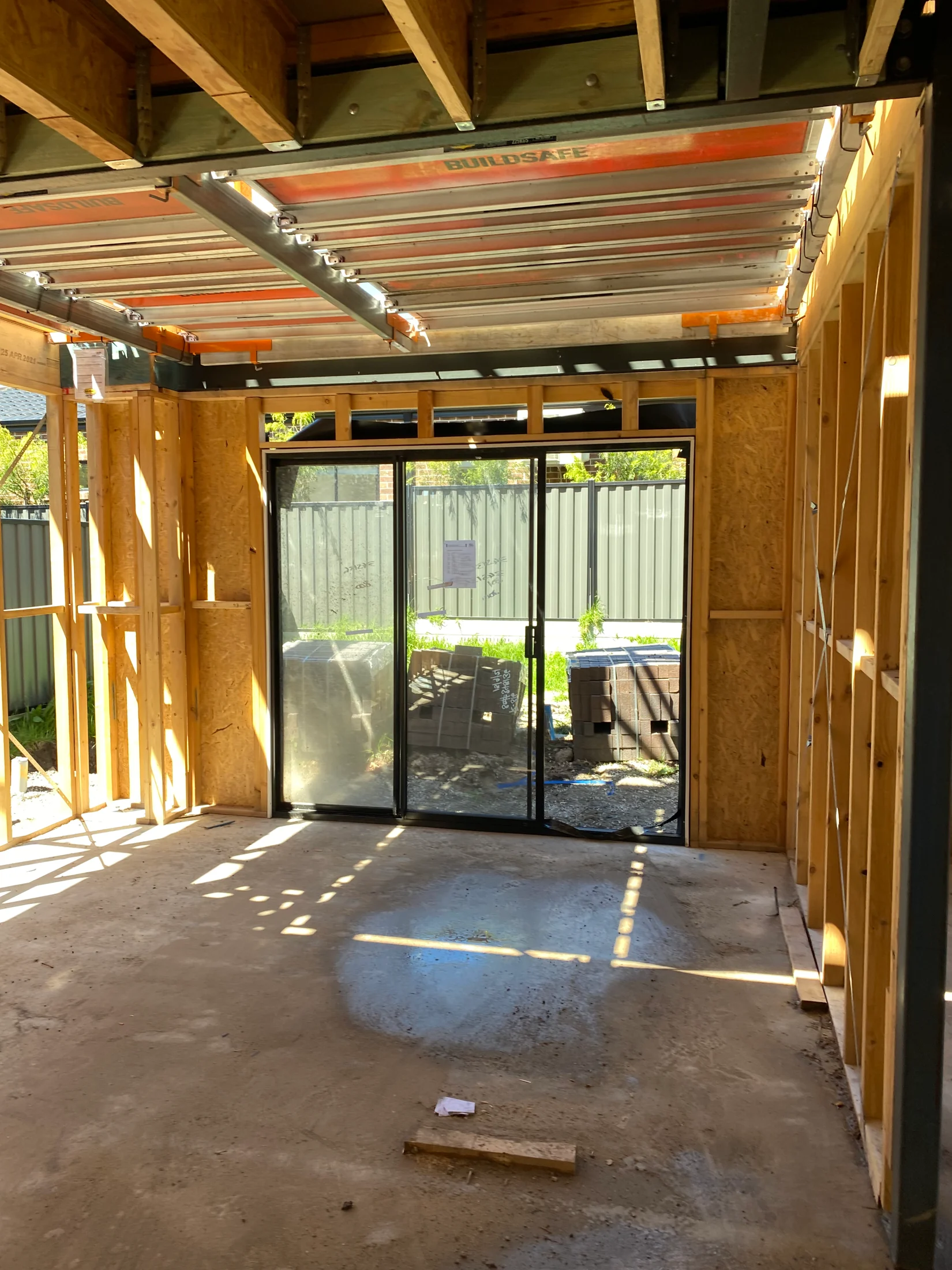
Once external doors, windows and roof coverings are installed, the home typically reaches the lock-up stage. At this point the building envelope has largely been completed.
During a lock-up inspection inspectors may review:
brickwork alignment
window and door installation
roof coverings
flashing and weatherproofing components
This stage helps document how the external shell of the home has been assembled.
Pre-Plaster Stage Inspection
The pre-plaster stage occurs after services have been installed but before internal walls are lined.
Important building elements remain visible at this stage, including:
plumbing rough-ins
electrical wiring
insulation
framing penetrations
Because many construction systems will soon become concealed, this stage provides valuable visibility into the structure and services of the home.
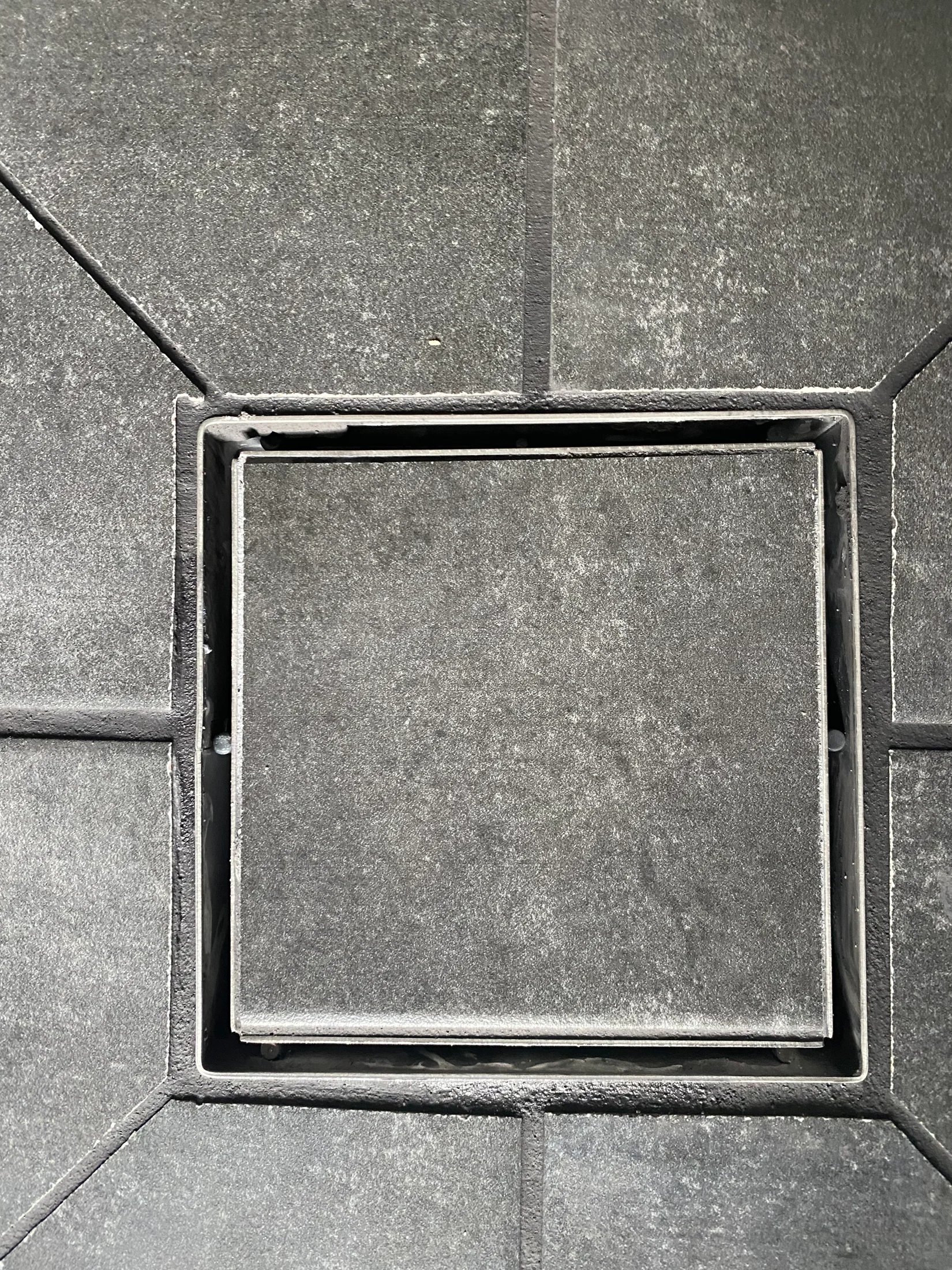
Wet area preparation can also be important during this stage. Our article Waterproofing in New Homes — A Complete Guide for Homeowners explains how waterproofing membranes are installed before tiles are applied.
Fix Stage Inspection
The fix stage occurs once internal components begin to be installed.
Inspectors may review items such as:
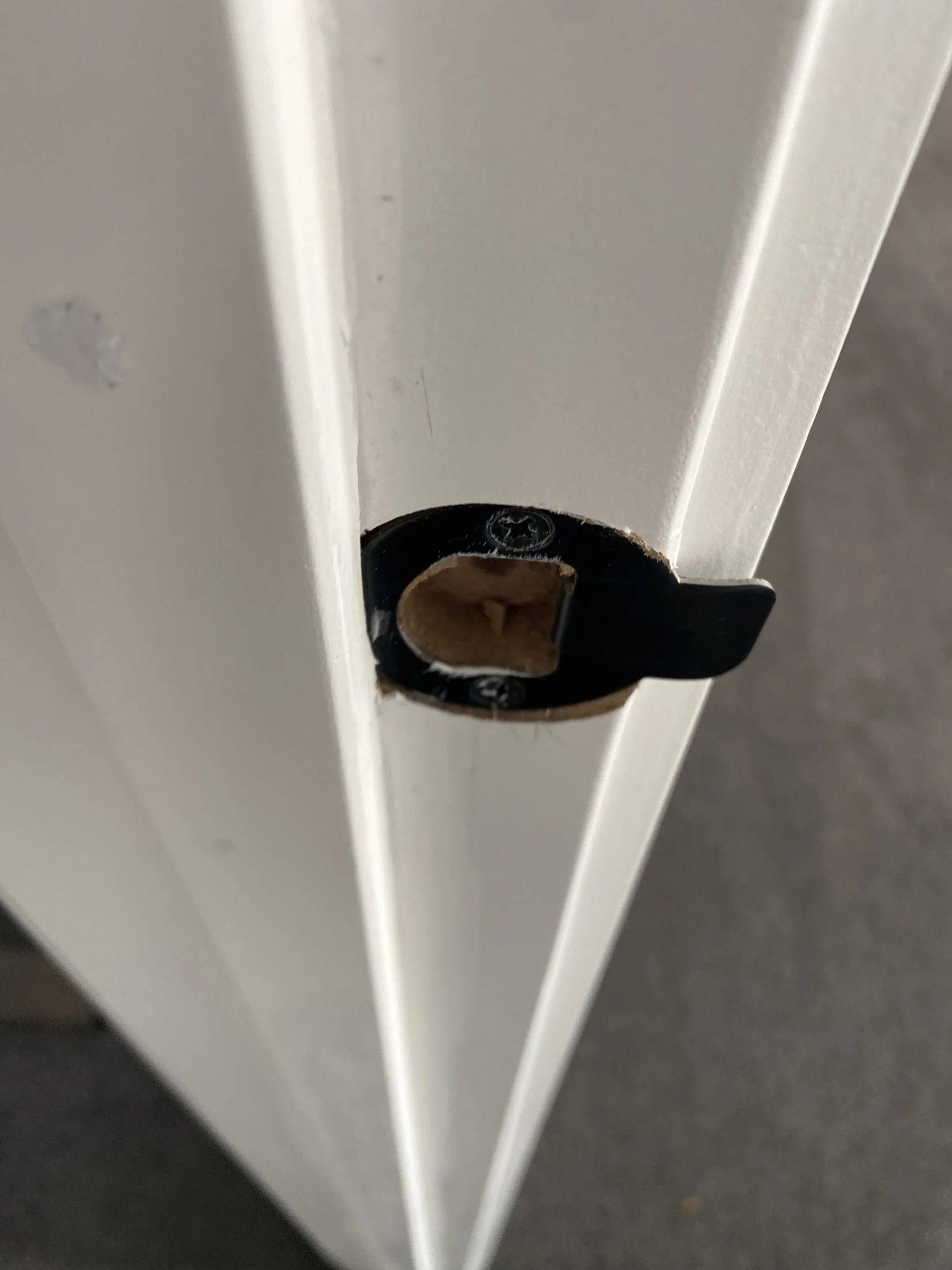
internal doors
architraves and skirting boards
cabinetry
internal finishes
Our guide Fix Stage Inspection in Melbourne — What Inspectors Check Before Handover explains how inspectors typically review workmanship once these elements are installed.
Practical Completion Inspection (PCI)
The practical completion inspection is usually carried out shortly before handover. This inspection reviews the completed home and documents any items that may require attention before settlement.
Inspectors typically review:
finishes
fixtures and fittings
door and window operation
general workmanship across the home
Construction Considerations Unique to Geelong
While construction principles remain consistent across Victoria, regional conditions can influence the types of issues inspectors pay close attention to. Geelong’s proximity to the coastline and its exposure to strong coastal winds can influence certain construction elements.
Homes built in suburbs closer to the coast, such as Torquay, Ocean Grove and parts of Armstrong Creek, may experience:
increased exposure to coastal winds
higher salt content in the air
greater weather exposure to external elements
Because of these environmental factors, inspectors may pay particular attention to:
external flashing installation
roof fixings and tie-downs
corrosion-resistant materials in exposed locations
sealing around external openings
These conditions are not unique to Geelong, but they can influence how external components perform over time.
Common Construction Observations Inspectors Sometimes See in Geelong Builds
Every home and builder is different, however inspectors working across the Geelong growth corridor sometimes observe patterns typical of large estate construction environments.
Examples may include:
framing alignment variations prior to plaster installation
waterproofing preparation in wet areas before tiling
installation sequencing where multiple trades overlap
brickwork alignment during rapid construction schedules
In coastal suburbs such as Torquay or Ocean Grove, inspectors may also pay close attention to external detailing and weatherproofing systems due to greater exposure to wind and coastal conditions.
Our article Waterproofing Failures in New Builds — What Inspectors Look For Before Tiling explains how wet areas are reviewed during construction before tiles conceal the waterproofing membrane.
It is important to note that many observations identified during stage inspections are typical construction items that can be addressed as the build progresses.
Construction Growth Across the Geelong Region
The Geelong region has experienced significant residential growth over the past decade.
Large residential developments now extend across:
Armstrong Creek
Charlemont
Lara
Leopold
Torquay
These suburbs have become attractive to buyers seeking modern homes within commuting distance of Melbourne while remaining close to the Surf Coast and Bellarine Peninsula.
As multiple homes are often constructed simultaneously across these developments, construction activity moves quickly as trades move between different sites.
Independent inspections help homeowners understand how their individual home is progressing within these larger developments.
What a Building Inspector Is Actually Looking For
During a stage inspection, inspectors generally focus on visible elements relevant to the stage of construction.
These observations may include:
alignment of structural components
installation of building elements
sequencing of construction work
visible workmanship
Inspection reports usually include photographs and written commentary explaining what was observed during the inspection. The goal is to document the visible condition of construction at that point in time so homeowners have a clearer understanding of how the build is progressing.
Stage Inspections Across Geelong and Surrounding Suburbs
Independent stage inspections are commonly arranged for homes being built across the wider Geelong region, including:
Geelong
Armstrong Creek
Charlemont
Lara
Leopold
Torquay
Ocean Grove
Bannockburn
Construction conditions can vary slightly across these areas depending on soil conditions, weather exposure and estate design. Because of these differences, many homeowners appreciate having an independent inspection that explains how construction is progressing on their particular home.
When Homeowners Usually Book Stage Inspections
Inspection timing is usually linked to the builder’s construction schedule.
Common booking points include:
before slab pour
after frame completion
once lock-up is achieved
before plaster installation
shortly before handover
Our guide When Is the Right Time to Book Each Stage Inspection for a New Build explains how inspections are typically scheduled throughout the construction timeline.
FAQ
What is a stage inspection during a new home build?
A stage inspection is an independent inspection carried out at key milestones such as slab, frame, lock-up or practical completion.
Do I need independent inspections if the builder already has inspections?
Independent inspections are optional and provide homeowners with an additional perspective alongside builder and surveyor inspections.
When should a slab stage inspection be arranged?
A slab inspection is usually arranged before the concrete slab is poured so reinforcement and slab preparation can be reviewed.
What does a frame stage inspection check?
Frame inspections review structural framing elements such as wall alignment, roof framing and structural bracing before internal linings are installed.
Are stage inspections common in Geelong new estates?
Yes. Many homeowners building across Geelong growth areas arrange stage inspections to better understand construction progress.
Final Thoughts on Stage Inspections in Geelong
Building a new home involves many stages and many trades working together over several months. Stage inspections allow homeowners to better understand how their home is being constructed and how different building components come together.
By reviewing construction work at key milestones, independent inspections provide documentation of visible work before elements become concealed. For homeowners building across Geelong and surrounding suburbs, this additional visibility often makes the construction process easier to understand and navigate.