Browse article topics
New Build Stage Inspections in Hoppers Crossing, Victoria
Updated:
Building a new home involves many moving parts, and for most homeowners the process only becomes clear once construction is underway. Homeowners regularly book New Build Stage Inspections in Hoppers Crossing and across western Melbourne to help track progress and document how the build is developing at key milestones.
This guide explains how staged inspections usually fit into the construction process for homes being built in Hoppers Crossing and the wider Wyndham area, and what homeowners can realistically expect to see during each phase.
When do inspections usually happen during construction?
Most independent inspections are carried out at several standard stages as the home progresses from foundations through to completion.
Typical stages include:
slab stage
frame stage
lock-up stage and pre-plaster stage
waterproofing and fix stage
pre-handover stage
maintenance or warranty period review
Each stage focuses on different parts of the building. Instead of trying to check everything at once near the end, inspections look at the home progressively while components are still visible and accessible.
This staged approach aligns with how construction itself happens, one layer at a time.
Why are new build stage inspections common in Hoppers Crossing builds?
Across Hoppers Crossing and surrounding Wyndham suburbs, many new homes are built within established estates or infill developments where construction schedules move quickly and multiple trades may be working on site at the same time.
It’s also common in western Melbourne for soil conditions to vary across relatively short distances. Because of this, foundation preparation, slab performance, and drainage setup often receive close attention early in the process.
Homes may move from slab to frame very quickly, and external works such as stormwater connections, grading, and landscaping are sometimes completed late in the build. Independent inspections help document what is visible at each step before later work covers it.
The aim isn’t to “find faults” but to provide a clear snapshot of the home’s condition as construction progresses.
Many homeowners building in Melbourne’s growth corridors organise independent inspections during construction to better understand how their build is progressing. Our guide to New Build Stage Inspections in Officer, Victoria explains how stage inspections work in rapidly expanding suburbs across Melbourne’s south-east.
What happens at the Slab Stage Inspection?
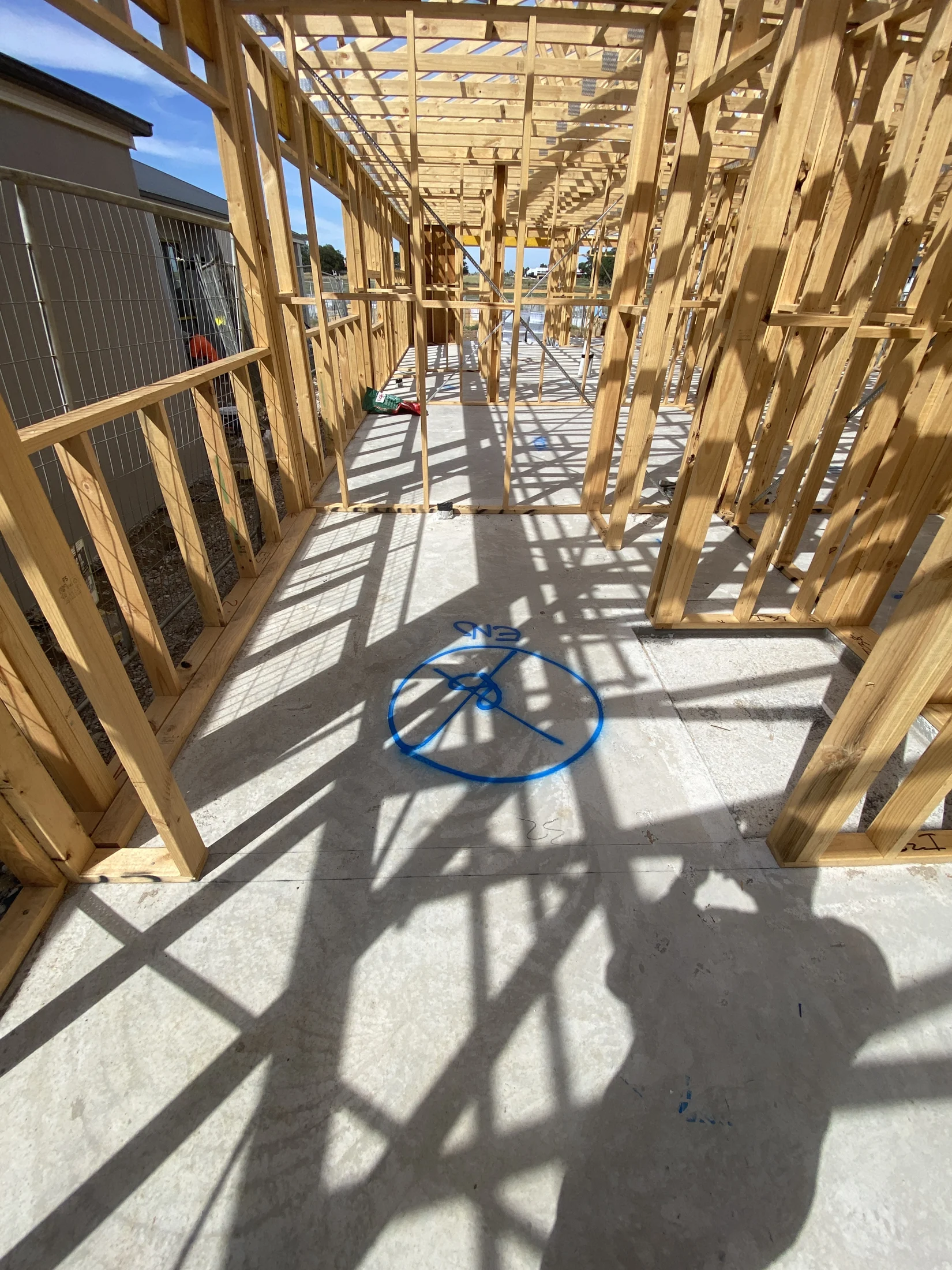
At slab stage, the structural base of the home is just about to be completed and the preparation works are still fully visible.
Inspectors typically review:
reinforcement placement
formwork installation and set out
positioning of penetrations and service points
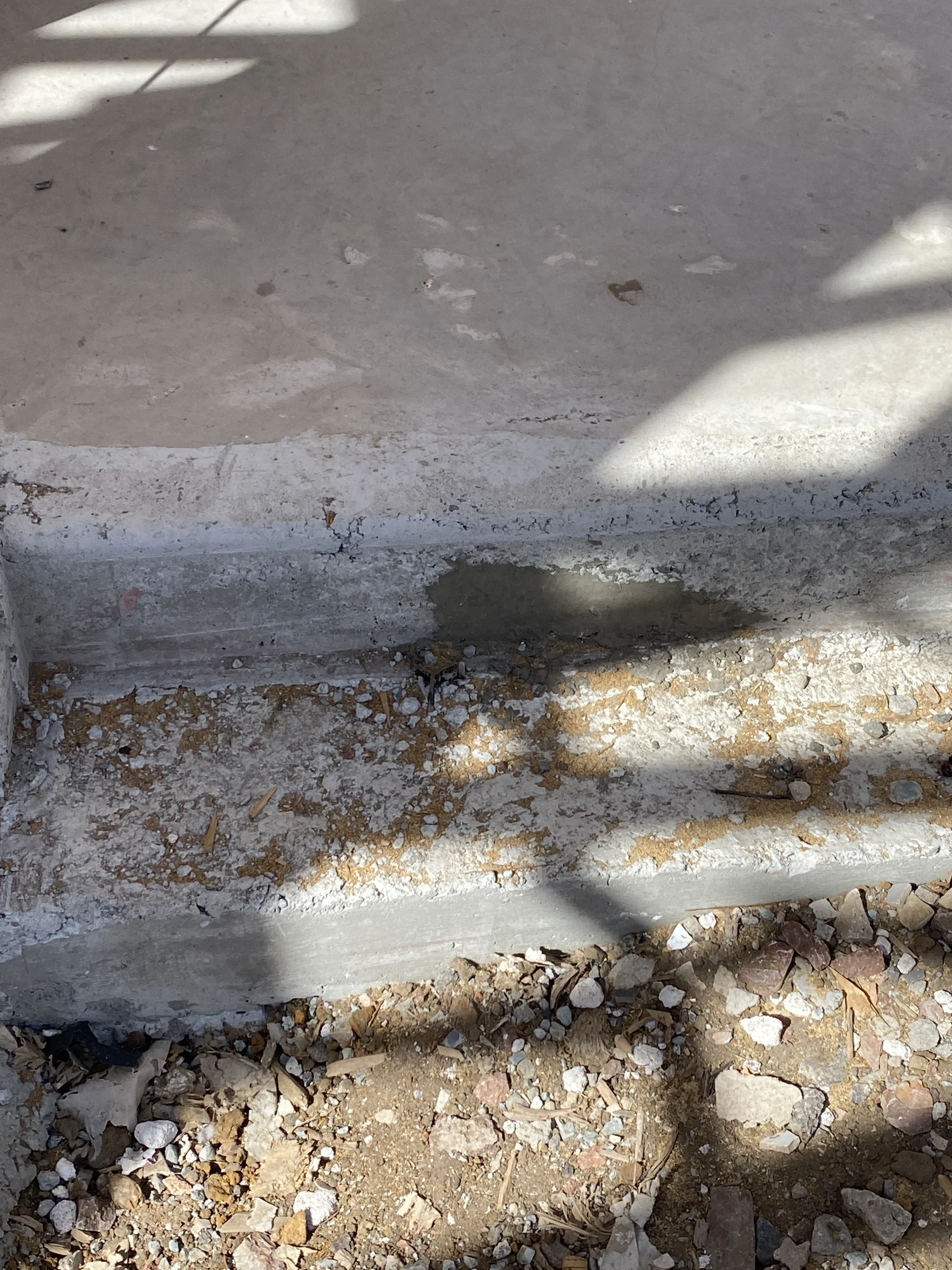
site drainage fall around the slab
moisture barriers and slab edge detailing
Many homeowners are surprised how little can be checked once the concrete is poured. Surface consistency, reinforcement placement indicators, and drainage setup are about all that can be assessed at this time.
If you want a deeper explanation of how inspectors usually assess concrete surface voids and finish quality, the guide Concrete Slab Honeycombing — What Homeowners Should Know explains how these observations are normally reviewed during construction.
What happens at the Frame Stage Inspection?
By the frame stage, the structural skeleton of the house is in place.
Inspectors generally review:
straightness and alignment of wall frames
fixing of structural members
roof framing installation
bracing and tie-down elements
openings for windows and doors
Because the frame is still exposed, this stage provides a clear opportunity to review structural layout before insulation, plasterboard and cladding are installed. Small adjustments are usually easier for builders to make at this stage while everything remains accessible.
What happens at the Lock-Up Stage Inspection?
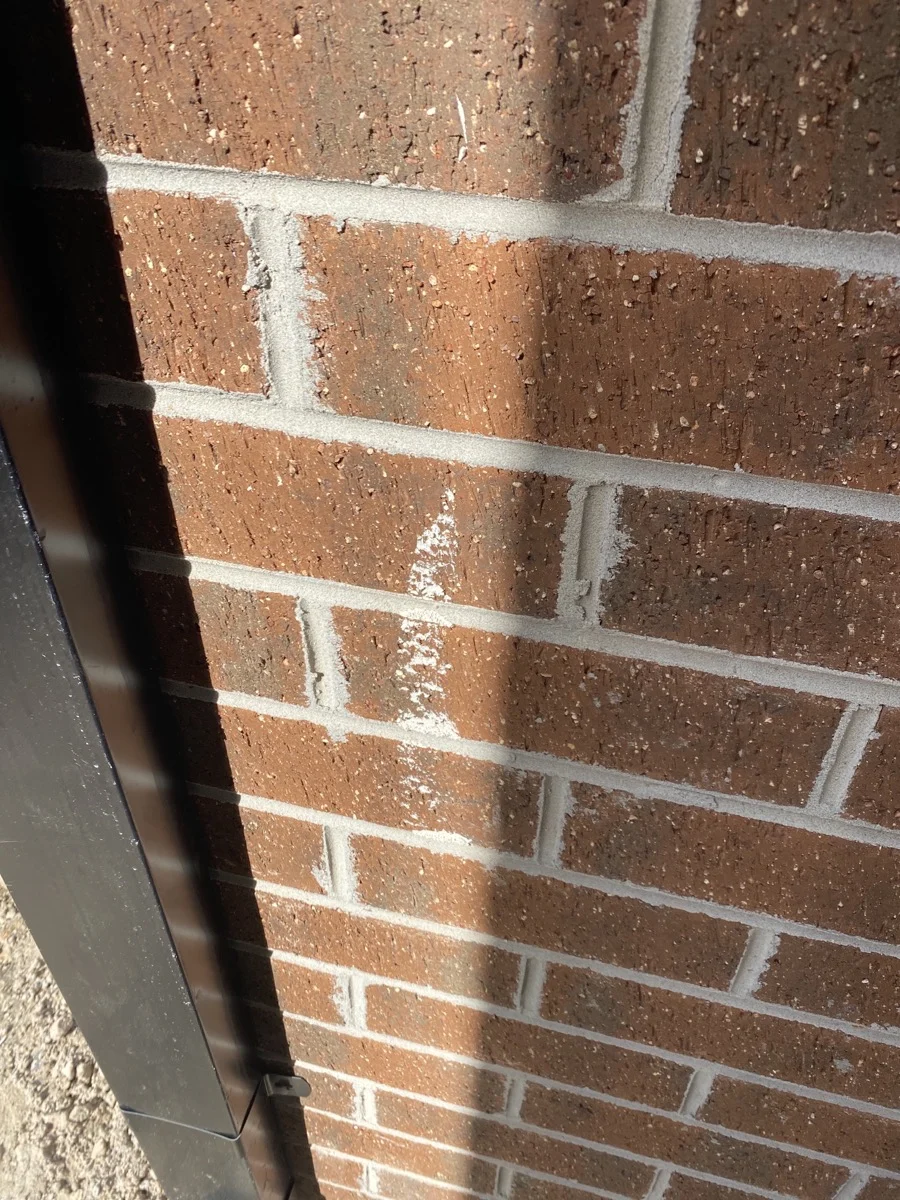
Lock-up stage usually means the external shell of the house is largely enclosed. Windows, doors, roof covering, and external wall finishes are typically installed.
Inspectors often look at:
installation and condition of windows and doors
external cladding or brickwork progress
roof drainage components
flashing details
early waterproofing elements
This is often the first stage where the home begins to resemble a finished building rather than a structure.
It’s also when visual presentation items start to become more noticeable. For example, aluminium window frames are now installed and exposed to other trades working nearby.
If homeowners want to understand how inspectors normally assess handling marks or surface damage at this stage, the article Scratches or Damage to Aluminium Window Frames — What Homeowners Should Know explains how those finishes are typically reviewed.
What happens at the Pre-Plaster Stage Inspection?
During the pre-plaster stage, internal services and fittings are being installed before walls are closed.
Inspectors commonly review:
plumbing and electrical rough-ins
insulation installation
wall straightness and preparation for plaster
internal framing adjustments
service penetrations
Because plasterboard has not yet been installed, this stage gives a final view inside wall cavities before they are permanently enclosed. Many homeowners find this one of the most informative inspections because it reveals how the hidden systems inside the home are arranged.
What happens at the Pre-Handover Inspection?
Pre-handover occurs when the home is essentially complete and ready for occupancy.
Inspectors generally check:
finishes and presentation throughout the home
operation of doors, windows and fixtures
installation of appliances and fittings
visible plumbing connections
site grading and drainage completion
general workmanship under normal viewing conditions
The Victorian Guide to Standards and Tolerances helps define what constitutes a reasonable finish when viewed in typical lighting and from a normal inspection distance. In practical terms, this stage focuses on ensuring the home appears properly completed and functional.
Most items identified here are usually minor completion or adjustment items rather than major construction problems.
What happens during the Post-Handover Maintenance or Warranty Inspections?
After homeowners move in, it’s common for the house to experience some natural settlement as materials adjust to seasonal conditions and occupancy.
A maintenance or warranty period inspection typically reviews:
shrinkage cracking in plaster or finishes
door or window adjustments needed after settlement
drainage behaviour after real rainfall
any movement affecting external works
general condition after several months of use
This inspection helps confirm that the home has settled normally and that any standard warranty adjustments can be addressed.
For a full explanation of how each inspection stage fits within the construction process, see New Build Stage Inspections in Melbourne — A Complete Guide to Every Inspection Stage.
Do council inspections check the same things?
Municipal or building surveyor inspections are required at certain construction stages, but they serve a different role. Surveyor inspections usually focus on regulatory compliance, confirming that key structural and safety requirements of the National Construction Code are being met.
Independent staged inspections, by contrast, typically look more broadly at visible workmanship, installation consistency, and overall construction presentation in practical day-to-day terms. Both play different roles within the overall building process.
While each suburb and municipality has its own characteristics, many construction patterns are consistent across Victoria. For example, New Build Stage Inspections in Grovedale VIC highlights how inspections apply in areas with a mix of established homes and new builds.
Can issues still be fixed if found early?
In most new builds, the answer is yes.
Construction is a progressive process, and small adjustments are a normal part of the workflow. Builders regularly correct alignment issues, finishing items, or installation adjustments while work is ongoing. Staged inspections simply document what is visible at a given point in time so that any reasonable items can be addressed while access is still straightforward.
How documentation helps homeowners understand their build
One of the main benefits of staged inspections is not just identifying individual items, but helping homeowners follow the story of their build from start to finish.
Clear reports provide:
photographic records of each stage
written observations in plain English
confirmation of what was visible at the time
a timeline of construction progress
Many homeowners across Wyndham use independent inspectors such as ClearScope Building Inspections to provide this type of staged documentation so they can better understand how their home has progressed through construction.
Final practical takeaway for homeowners
Building a new home in Hoppers Crossing involves many sequential steps, each completed by different trades working to tight timelines. Staged inspections simply follow that same sequence, checking each layer of the home while it is still visible.
Most construction items identified during inspections are routine adjustments rather than serious concerns, and early documentation usually helps ensure the home reaches completion smoothly. Understanding how the process works, and what typically gets reviewed at each stage, can make the experience of building a new home far more predictable and far less stressful for homeowners.