Browse article topics
Downpipe Rollovers and Stormwater Connection Defects - What Homeowners Should Know
Updated:
When a new home is being built, most attention goes to the slab, frame, brickwork and finishes. External drainage tends to receive less focus, yet it plays a very important role in protecting the home from water damage over the long term. One of the small but important details inspectors often review is how the downpipes connect into the underground stormwater system, including the rollover bend that directs roof water into the drain.
This article explains what homeowners commonly see on site, how these downpipe rollovers and stormwater connection defects appear vs. how they are normally installed, and how inspectors typically assess them during staged inspections.
Alongside roof drainage details like downpipes and stormwater, readers may also find it helpful to review Roof Flashing & Fascia Defects at Lock-Up — What Inspectors Look For (and Why It Matters) to understand how roof junction detailing at lock-up supports effective water management.
What is a downpipe rollover connection?
A rollover connection is the PVC pipe section at the bottom of a vertical downpipe that redirects rainwater from the downpipe into the underground stormwater riser.
Instead of running straight down into the ground, the downpipe typically turns through a curved bend (often called a rollover or swan-neck bend) so the water can enter a horizontal stormwater pipe connected to the site drainage system.
On most builds, the underground stormwater pipes are installed early, often before the slab pour. The final downpipes and rollover sections are usually fitted later once roofing, gutters and external works are progressing.
When installed correctly, the downpipe should sit straight and plumb, with the rollover bend aligned neatly into the stormwater entry point without needing to be forced into position.
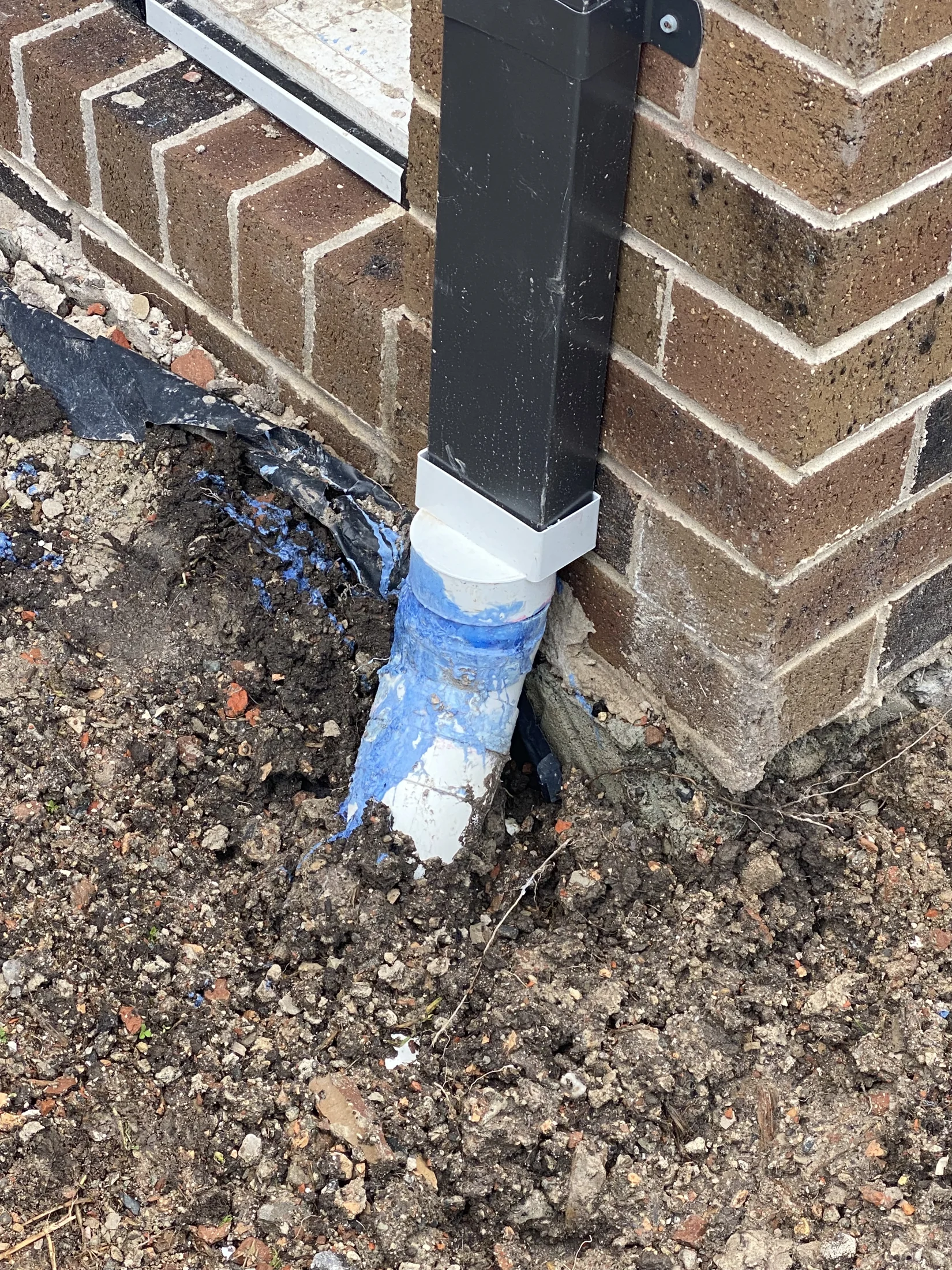
Downpipe Rollovers and Stormwater Connection Defects - What Homeowners Should Know in practical site terms
In day-to-day construction inspections, correct workmanship is usually fairly easy to recognise visually.
Typically:
downpipes run vertically and sit straight against the wall
rollover bends align cleanly into the stormwater riser
pipe joins are fully connected and properly sealed
connections do not rely on excessive tape or blobs of sealant
pipework is supported and not leaning or twisted
stormwater entry points sit neatly at or just above finished ground level
When everything lines up naturally, the connection usually looks tidy and stable rather than forced or patched together. Inspectors often find that visual neatness and correct installation tend to go hand in hand with drainage components.
Common construction-phase issues inspectors often see
During normal residential construction, stormwater connections frequently go through temporary stages before final completion.
Some common observations include:
rollover pipes sitting slightly at angles
downpipes not perfectly centred over stormwater risers
loosely fitted temporary joins taped for short-term use
pipes cut slightly short and patched with additional fittings
stormwater risers installed marginally off their intended location
unfinished site grading leaving connections exposed or unsupported
These situations are not unusual during the build itself. Trades often leave temporary downpipes in place while external works, paving, landscaping and final ground levels are still being completed.
However, by the time the home reaches final stages, these connections should normally be properly aligned, securely connected, and finished to a reasonable workmanship standard.
Why correct stormwater discharge matters for the slab and foundations
Roof water is one of the largest sources of surface water around a home. If it is not directed away efficiently, it can contribute to:
ponding near the slab edge
softening of surrounding soil
increased moisture levels near foundations
erosion of fill material
long-term drainage problems
The National Construction Code requires roof water to be disposed of in a way that prevents damage to the building or neighbouring properties. In practical inspection terms, this means the water must be collected, directed into the stormwater system, and discharged appropriately.
AS/NZS 3500.3 (Stormwater drainage) sets out how these systems should be connected and installed so water flows freely without leakage or disconnection.
From an inspection perspective, the key concern is not just whether a pipe exists, but whether it is securely connected and positioned so it will continue functioning once the site is finished and occupied.
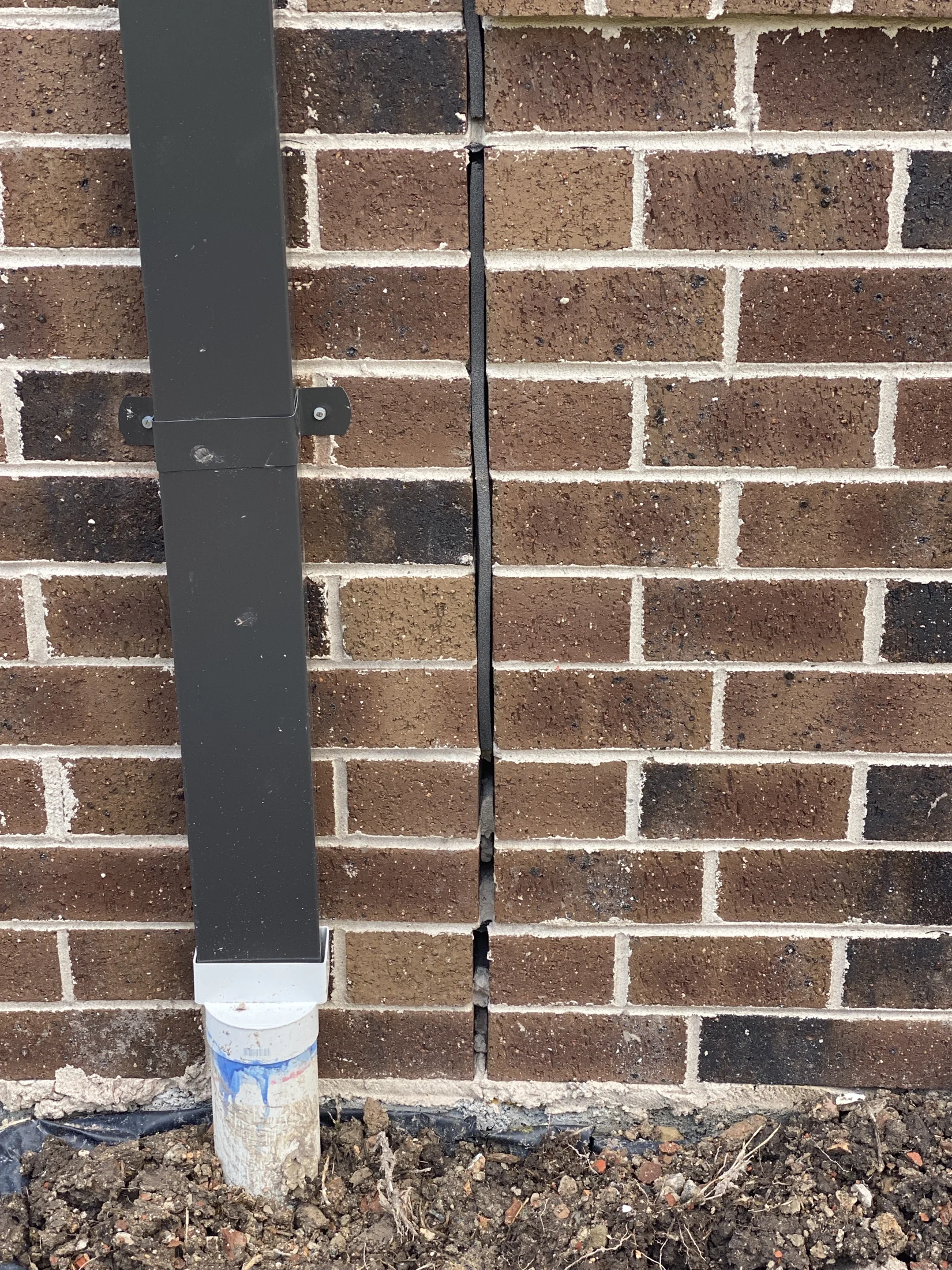
What inspectors check at Lock-Up Stage
At the Lock-Up Stage Inspection, the final presentation and condition of external elements of the home are usually becoming visible, including guttering and initial downpipe placement.
At this stage inspectors typically check:
whether stormwater risers appear correctly positioned
whether downpipe locations align with roof drainage design
whether underground pipe entry points are accessible and visible
whether temporary connections appear reasonable for the stage
The system may not yet be fully completed, but inspectors often note any obvious alignment problems that could make final installation difficult later.
What inspectors check at Fix Stage
By the Fix Stage Inspection, downpipes are normally installed and connected.
Inspectors usually review:
whether downpipes sit straight and plumb
whether rollover bends connect properly into risers
whether joins appear fully engaged and stable
whether pipework is supported rather than leaning
whether temporary tape or packing is still being used
If misalignment or incomplete connection is visible at this stage, it is commonly flagged so it can be corrected before external finishes and landscaping make access harder.
What inspectors check at Pre-Handover
During the Pre-Handover Inspection, stormwater discharge should normally be fully complete.
Inspectors generally confirm:
connections appear properly sealed and secure
pipework sits neatly at finished ground levels
no obvious disconnections or gaps exist
site grading directs water away from the house
drainage appears functional and complete
The Victorian Guide to Standards and Tolerances expects completed work to be finished to a reasonable standard when viewed under normal inspection conditions. In practical terms, drainage components should look properly installed rather than temporary.
Most rollover alignment issues identified at this stage are treated as workmanship or completion items rather than structural concerns.
What inspectors check during the Maintenance / Warranty Period
Sometimes drainage problems only become visible after the home has been occupied.
During a post-handover maintenance or warranty inspection, inspectors may check:
whether settlement has affected pipe alignment
whether ground movement has exposed or shifted connections
whether water discharge is causing ponding
whether any joints have loosened over time
Even small shifts in soil levels can occasionally affect external pipework, so these checks help confirm the system is still functioning correctly months after completion.
How inspectors usually verify discharge direction
Inspectors generally rely on a mix of visual checks and practical assessment.
They typically look for:
correct pipe direction toward the drainage system
continuous connection from gutter to underground pipe
stable join points without obvious gaps
absence of visible leakage or misalignment
While inspectors do not usually perform full hydraulic testing of stormwater systems during a standard residential inspection, clear visual confirmation of proper connection is normally sufficient to identify whether the installation appears sound.
Understanding that most rollover issues are straightforward to fix
Importantly for homeowners, most rollover alignment problems are not structural failures.
They are usually simple workmanship adjustments such as:
repositioning the downpipe bracket
replacing a short pipe section
reconnecting a loose join
adjusting the riser height
finalising sealing once ground levels are complete
Because these components are external and accessible, they are typically among the easier items for builders to correct when identified early in the inspection process.
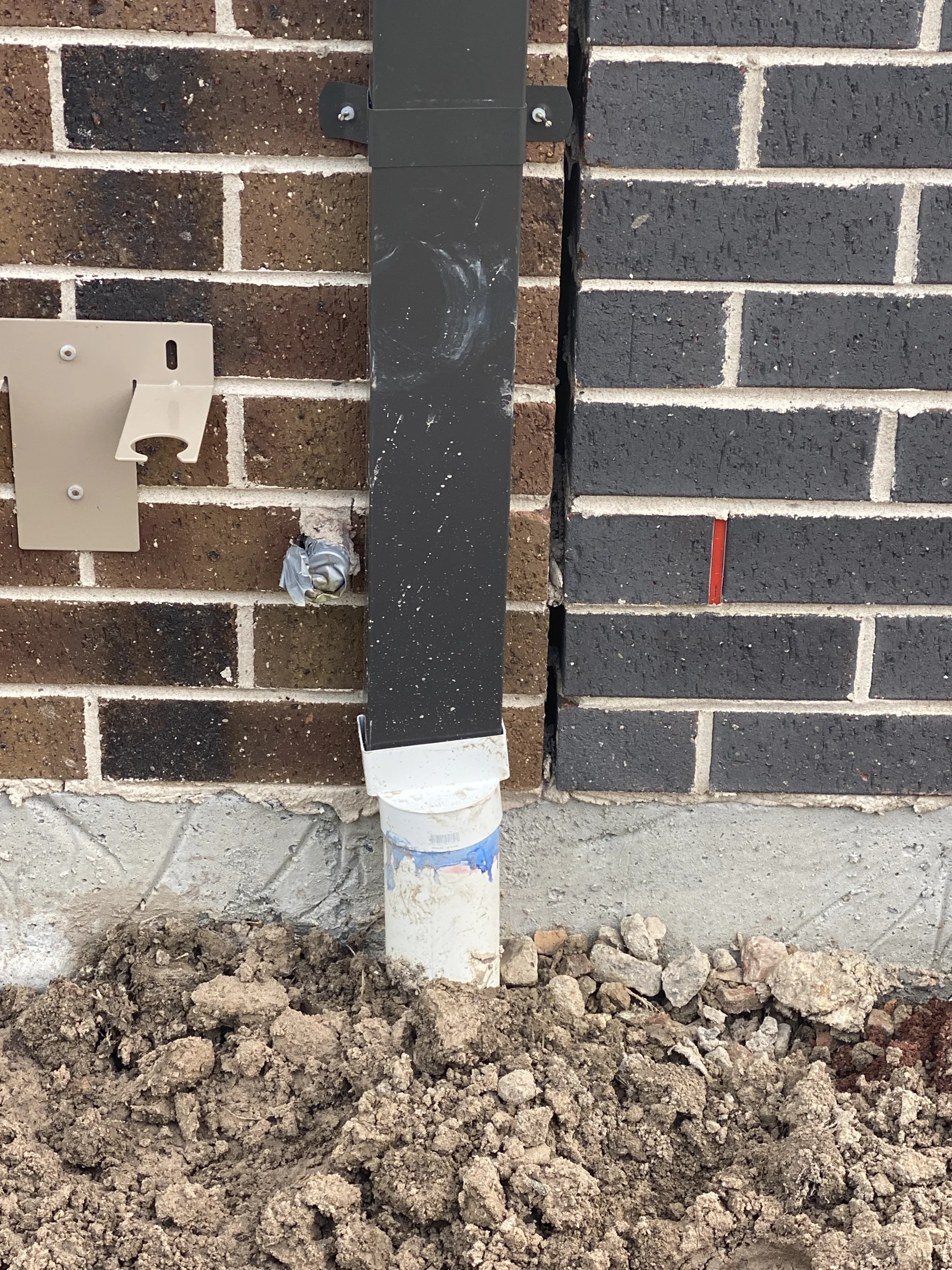
Why staged inspections help catch drainage issues early
Stormwater connections are a good example of why multiple inspections throughout construction can be valuable.
Just as homeowners often want to understand When Should Waterproofing Be Inspected During a Build?, drainage components also benefit from being reviewed at several stages before completion.
Similarly, finishing details across the home, including external brickwork, may only become fully visible late in construction, which is why guides like Brick Cleaning Issues: Mortar Smears, Debris and Paint Marks on New Brickwork can help homeowners understand what is normally reviewed near handover.
Each stage provides another opportunity to confirm the home is progressing as expected.
Final practical takeaway for homeowners
Downpipe rollovers and stormwater connections may seem like small details, but they play a big role in keeping roof water away from the house.
In most builds, minor alignment or temporary connection issues are fairly common during construction. What matters is that by handover, the system is properly aligned, securely connected, and functioning as intended.
From an inspection perspective, tidy installation, stable connections, and clear discharge paths usually indicate the drainage system has been installed correctly, helping protect the home well beyond the construction phase.