Browse article topics
New Build Stage Inspections in Fraser Rise, Victoria
Updated:
New Build Stage Inspections in Fraser Rise, Victoria
Fraser Rise has become one of Melbourne’s fastest-growing western corridor suburbs. Like Cobblebank, the large estates have consistent builder presence and tight construction timelines mean many homes move from slab to handover within a relatively short period.
For homeowners building in the area, understanding how construction typically progresses, and where independent staged inspections fit, can make the process feel far more transparent and controlled.
This guide explains how builds usually progress in Fraser Rise estates, what inspectors commonly review at each stage, and why a New Build Stage Inspection Fraser Rise can provide clarity and documentation throughout construction.
New Build Stage Inspection Fraser Rise
A New Build Stage Inspection in Fraser Rise is an independent assessment carried out at key milestones during construction. It does not replace council or building surveyor inspections. Instead, it provides homeowners with practical, plain-language feedback about workmanship, tolerances and visible defects before the build progresses to the next stage.
In Fraser Rise estates, where multiple homes may be under construction simultaneously, staged inspections commonly occur at:
Slab stage (pre-pour)
Frame stage
Lock-up stage
Pre-handover (PCI)
Post-handover maintenance period
Each stage serves a different purpose and becomes harder to review once covered.
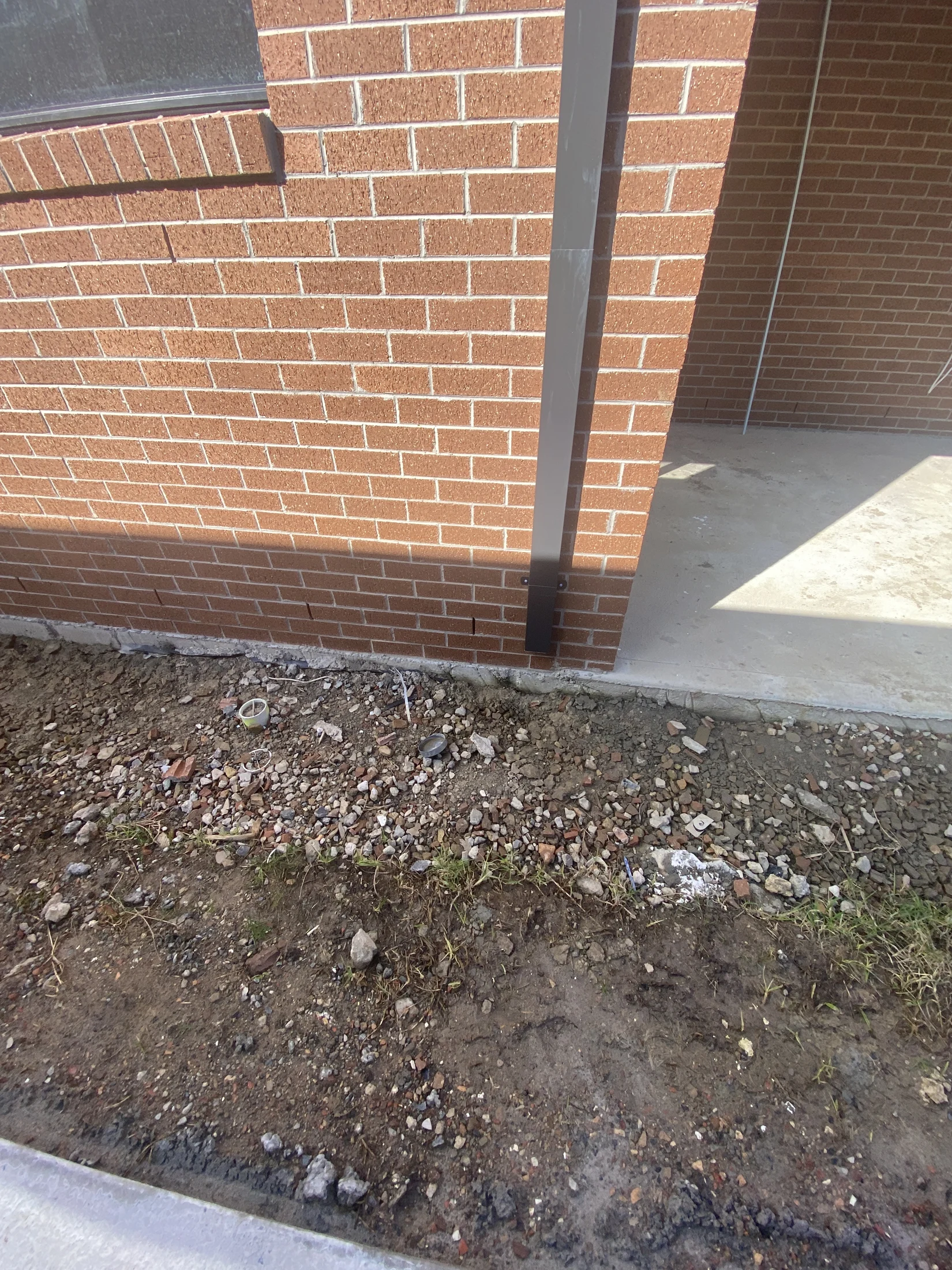
How Builds Progress in Fraser Rise Estates
Fraser Rise developments generally follow a predictable pattern:
Bulk earthworks and site cuts
Underground services installation
Slab preparation and reinforcement placement
Concrete pour
Framing
Brickwork and roof installation
Lock-up
Services installations
Internal linings and waterproofing
Fixing and finishing
Pre-handover inspection
Because estates are often built in stages, many homes reach similar milestones at the same time. Trades rotate rapidly between sites. While this keeps projects moving efficiently, it also means minor workmanship issues can occur if details aren’t double-checked before being covered. This is where staged inspections provide value, identifying concerns early while rectification is straightforward.
Reactive Clay Soil in Fraser Rise
Much of Melbourne’s western corridor, including Fraser Rise, contains highly reactive clay soils.
Reactive clay:
Expands when wet
Shrinks during dry periods
Contributes to seasonal ground movement
Although slabs are engineered for site classification, early settlement and seasonal moisture variation can still influence:
Brickwork cracking
Minor slab edge movement
Articulation joint performance
Drainage flow patterns
If you’ve read our guide on Concrete Cracks — Structural vs Non-Structural, you’ll understand how early shrinkage or settlement cracks are often cosmetic, but sometimes warrant monitoring. Understanding soil reactivity helps homeowners interpret what is normal movement versus what may require attention.
Tight Lot Construction Challenges
Fraser Rise estates often feature compact allotments with minimal side setbacks.
Tight lot construction can create:
Limited access for trades
Reduced working space for scaffolding
Constrained drainage layouts
Close proximity between neighbouring slabs
Common practical challenges inspectors observe include:
Brickwork alignment issues near boundaries
Insufficient clearance between services
Difficulty achieving consistent site falls
Debris accumulation along fence lines
None of these issues are unique to Fraser Rise, but density amplifies the importance of sequencing and coordination.
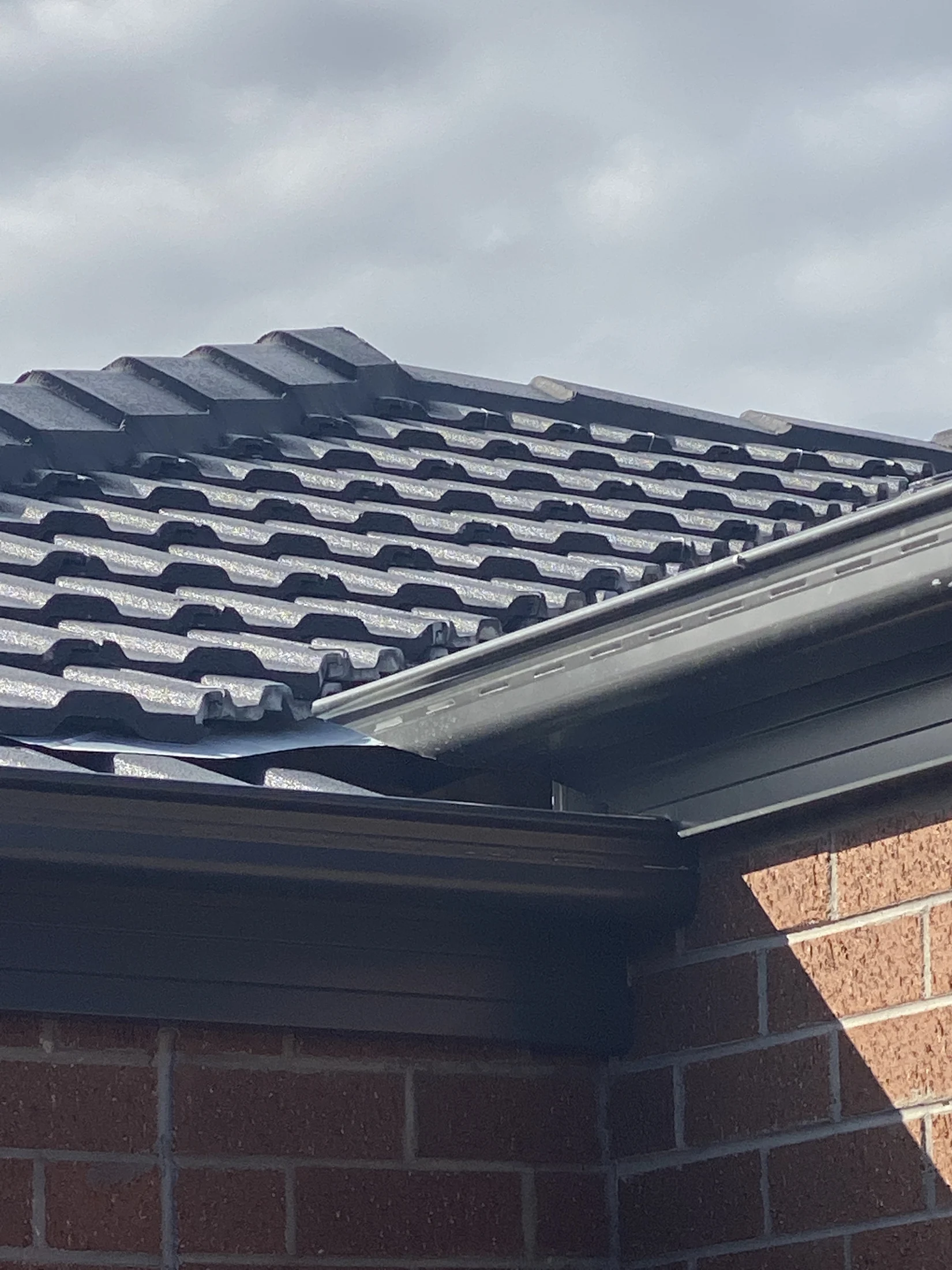
Drainage Management on Smaller Blocks
Drainage becomes particularly important in tight estates.
On smaller blocks, inspectors commonly assess:
Surface water fall away from the slab
Weep hole clearance above finished ground level
Downpipe discharge points
Landscaping levels near the dwelling
Driveway and crossover runoff direction
Landscaping often occurs after handover. When soil is added around the home, it can inadvertently:
Cover weep holes
Create negative fall toward the slab
Alter original drainage intent
This is one reason why a Post-Handover Maintenance Inspection can be valuable in Fraser Rise, particularly after the first winter.
What Inspectors Commonly Review at Each Stage
Slab Stage (Pre-Pour) Inspection
A Slab Stage Inspection in Fraser Rise is carried out before the concrete is poured, not after. Once concrete is placed, reinforcement and subgrade preparation are permanently concealed. That’s why the pre-pour timing is critical.
At this stage, inspectors typically review:
Site cut depth and general preparation
Compaction of the subgrade (visually and conditionally assessed)
Correct placement and tying of reinforcement mesh
Beam trench depth and width consistency
Bar chairs supporting reinforcement at appropriate height
Overlap of mesh sheets in accordance with plans
Edge beam positioning relative to set-out
Penetrations for plumbing and services
Damp proof membrane placement and continuity
Vapour barrier laps and taping
Waffle pod placement (if applicable)
In Fraser Rise’s reactive clay conditions, ensuring reinforcement is correctly positioned and supported before the pour is particularly important. Poor mesh support or inadequate cover can compromise slab performance over time. Because the slab is the structural base of the home, documenting conditions prior to concrete placement provides clarity and accountability from the very beginning of construction.
Frame Stage Inspection
The Frame Stage Inspection typically reviews:
Stud alignment and plumb
Wall straightness tolerances
Truss installation and bracing
Fixing methods
Load path integrity
Noggings and blocking
Tie-down connections
In estate builds, framing progresses quickly. Once plasterboard is installed, many structural elements become concealed. If you're curious about hidden elements, our article What Defects Can and Cannot Be Seen After Plaster is Installed explains how access reduces significantly after this stage.
Lock-Up Stage Inspection
Many homeowners learning about stage inspections also want to understand how construction progresses through each milestone. Our guide What Happens at Lock-Up Stage in a New Home Build explains one of the key stages inspectors review.
At lock-up stage inspection, inspectors often review:
Window and door installation
Flashings
Sarking continuity
Brickwork articulation joints
Roof covering alignment
Visible external waterproofing preparation
Waterproofing preparation is particularly important before tiling and screeding begin. For more detail, see our article on Waterproofing Defects, which outlines common preparation issues that are easier to correct before covering.
In addition to common defects we note in inspections, waterproofing issues often begin with small installation details. Our guide “Waterproofing in New Homes — A Complete Guide for Homeowners” explains how waterproofing systems work and why inspections before tiling are so important.
Pre-Handover (PCI) Inspection
A Pre-Handover / PCI Inspection focuses on:
Internal finishes
Paintwork consistency
Cabinetry installation
Tiling alignment and grout finish
Door operation
Silicon application
Wet area detailing
In high-volume estates, finishing trades often move quickly from home to home. Minor presentation issues are common and typically rectified prior to settlement once documented.
During the PCI inspection, inspectors often review internal finishes including bathroom tiling and grout presentation. Minor grout cracking or missing silicone joints can occasionally appear at this stage. Our article Tile Grout Cracking in Bathrooms — Cosmetic Issue or Waterproofing Problem? explains how these issues are typically interpreted.
Why Post-Handover Maintenance Inspections Matter in Fraser Rise
Fraser Rise homeowners frequently benefit from a Post-Handover Maintenance Inspection, particularly 3–12 months after moving in.
Why?
Early settlement may reveal minor cracking.
Landscaping can alter drainage.
Seasonal moisture changes may impact articulation joints.
Shrinkage around cornices and skirtings becomes visible.
Silicone and grout may require review after initial use.
In reactive clay areas, movement during the first seasonal cycle is not unusual. A maintenance inspection helps determine:
What falls within normal settlement
What may require builder attention under warranty
Whether drainage adjustments are needed
A well-timed New Build Stage Inspection in Fraser Rise process that includes post-handover review often provides the most complete documentation of the build lifecycle.
For a full explanation of how each inspection stage fits within the construction process, see New Build Stage Inspections in Melbourne — A Complete Guide to Every Inspection Stage.

Common Issues Observed in Fraser Rise Builds
It’s important to approach this realistically. Most homes are constructed to a reasonable standard.
However, common items documented during inspections in fast-growing estates include:
Reinforcement not adequately supported prior to slab pour
Minor slab shrinkage cracking
Stud alignment tolerances exceeding standards
Inconsistent brick mortar finishing
Incomplete waterproofing preparation
Insufficient fall in showers prior to screeding
Drainage fall concerns on compact sites
These are typically rectifiable and are best addressed when identified early.
What Makes Fraser Rise Slightly Different?
Fraser Rise combines:
Rapid estate expansion
High builder concentration
Similar home designs repeated across streets
Reactive clay soil conditions
Compact allotments
Because builds often progress simultaneously, trade scheduling is tight. Documentation becomes particularly useful when homes are moving through stages quickly.
Homeowners who organise staged inspections tend to feel more confident because they understand:
What has been completed
What is covered up
What may require monitoring
What is within tolerance
In estates across Melbourne’s west, including areas like Fraser Rise, homeowners are increasingly turning to New Build Stage Inspections Thornhill Park to better understand build quality at each stage.
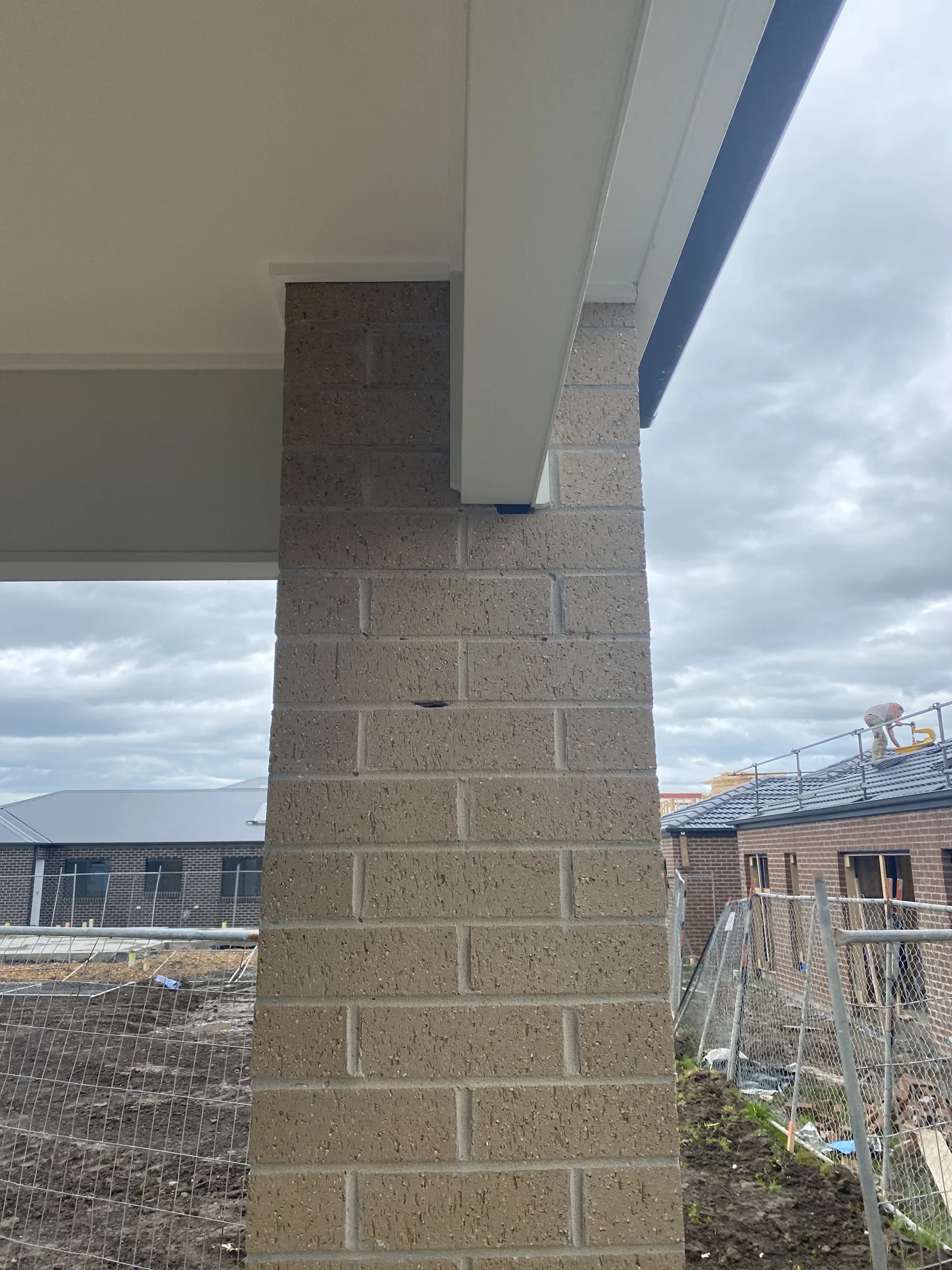
Final Thoughts
Building in Fraser Rise follows a structured, efficient estate model. The process is generally predictable, slab preparation, concrete pour, frame, lock-up, finishing and handover. However, reactive soils, tight blocks and fast construction cycles mean that small details matter.
A structured approach provides homeowners with:
Independent documentation
Practical explanation of findings
Clear differentiation between cosmetic and structural concerns
Better understanding of drainage and settlement behaviour
When combined with a Post-Handover Maintenance Inspection after landscaping and seasonal change, homeowners gain a complete picture of how their home has performed from pre-pour slab stage through early occupancy. Construction is a process.
Understanding each stage, and reviewing it calmly and methodically, allows homeowners in Fraser Rise to move into their new home with greater clarity and confidence.