Browse article topics
What Happens If You Disagree With Your Builder’s Defect Response?
Updated:
Building a new home is a long process, and by the time you reach the final stages, emotions can be running high. Most homeowners understand that minor defects are normal in construction, but sometimes a builder responds to a defect item in a way that doesn’t sit comfortably.
Maybe you’ve been told something is “within tolerance.”
Maybe an item has been marked as “not a defect".
Or perhaps the repair method suggested doesn’t feel adequate.
If you’re wondering what happens if you disagree with your builder’s defect response?, the key is to approach the situation calmly, understand the framework construction operates within, and take measured next steps.
This article explains how disagreements typically arise, what “within tolerance” really means, and how homeowners in Victoria can respond constructively.
Why Disagreements About Defects Happen
Most disagreements are not about major structural failures.
They usually arise from:
Interpretation of standards
Aesthetic expectations
Timing of inspections
Contract documentations or lack thereof
Communication gaps
Different understandings of “reasonable quality”
Builders work within contractual obligations and construction standards. Homeowners understandably focus on finish quality and expectations set during sales discussions.
These two perspectives don’t always align perfectly. In many cases, disagreements come down to interpretation rather than clear right or wrong.
What “Within Tolerance” Usually Means
One of the most common phrases homeowners hear is: “That’s within tolerance.”
In Victoria, this typically refers to the Victorian Guide to Standards & Tolerances, which outlines acceptable levels of variation in residential construction.
The guide covers items such as:
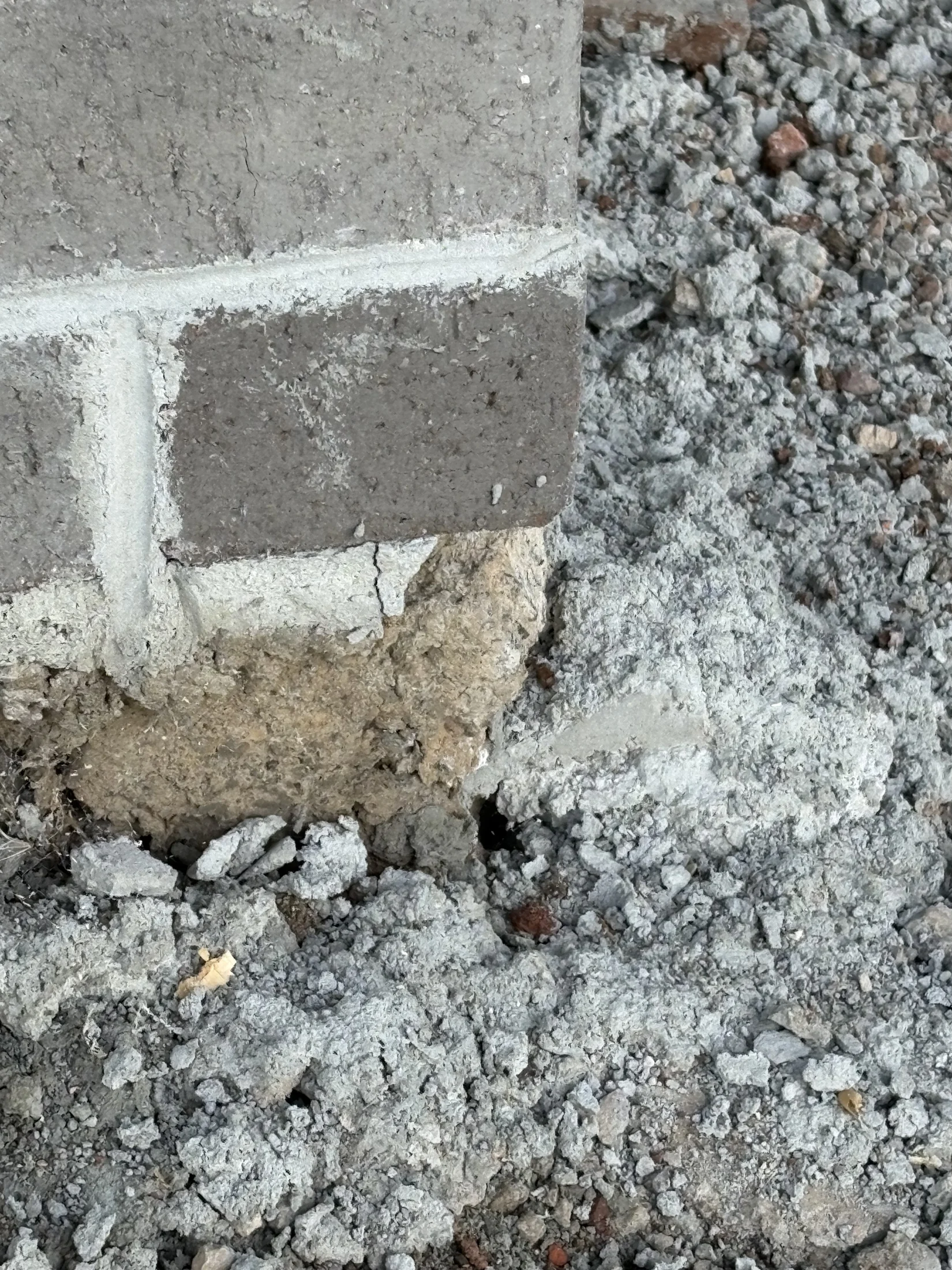
Brickwork alignment
Plasterboard joints
Concrete cracking
Tile lippage
Timber shrinkage
Surface level deviations
It does not say homes must be perfect. It defines what is considered acceptable within normal building practice.
Many finishing items in new homes fall into a grey area between cosmetic presentation and performance concerns. Bathroom grout cracking is one example homeowners often question. Our guide Tile Grout Cracking in Bathrooms — Cosmetic Issue or Waterproofing Problem? explains how inspectors typically assess this issue.
For example:
Minor plaster shrinkage cracks may be acceptable.
Small brick mortar inconsistencies may fall within tolerance.
Concrete shrinkage cracks under certain widths may not be structural.
This is why disagreements occur.
A homeowner may see a flaw.
A builder may see a normal construction outcome.
Understanding this distinction often reduces frustration.
A clear understanding of how tolerances are defined can help clarify these discussions, which we outline in What Does “Within Tolerance” Actually Mean in a New Home Inspection?.
Many disputes about defects relate to whether items fall within acceptable building tolerances. Cracking is one example where understanding normal building movement is important. Our guide Cracks in New Homes — What Is Normal and When Should Homeowners Be Concerned? explains how inspectors assess cracking observations.
What Happens If You Disagree With Your Builder’s Defect Response?
If you’re asking, what happens if you disagree with your builder’s defect response?, the answer depends on the nature of the issue.
In most cases, there are three broad categories:
Minor Cosmetic Items
These are often addressed during the defect liability period. If the builder believes they are within tolerance, clarification may be needed.
Quality or Workmanship Concerns
These may require further explanation, evidence, or documentation.
Contractual or Scope Disputes
These relate more to inclusions, variations, or interpretation of contract wording rather than physical defects.
The path forward is different for each.
Where structural items such as wall tie installation concerns are raised, clarification is often helpful to determine whether installation meets standard practice and performance expectations.
The Role of Practical Completion
Many disagreements arise around handover.
If you haven’t already read What Does Practical Completion Actually Mean, it’s worth understanding that Practical Completion does not mean “perfect.” It means the home is reasonably complete and fit for occupation.
At PCI or Pre-Handover inspection stage, the goal is to:
Identify incomplete or defective items
Document them clearly
Agree on rectification timeframe
Independent inspections during this stage often help clarify whether items fall within normal tolerances or require rectification. Understanding the purpose of Practical Completion often changes how homeowners view defect lists.
The Importance of Documentation
When disagreements arise, documentation becomes critical.
Keep records of:
Inspection reports
Emails and written responses
Photographs (dated)
Site meeting notes
Defect lists and builder replies
Clear documentation supports calm, fact-based discussion. It’s not about escalating, it’s about clarity.
When Is a Second Opinion Reasonable?
An independent inspection can be helpful when:
You’re unsure whether something is within tolerance
The explanation given doesn’t align with what you’re observing
There is conflicting advice from different parties
For example:
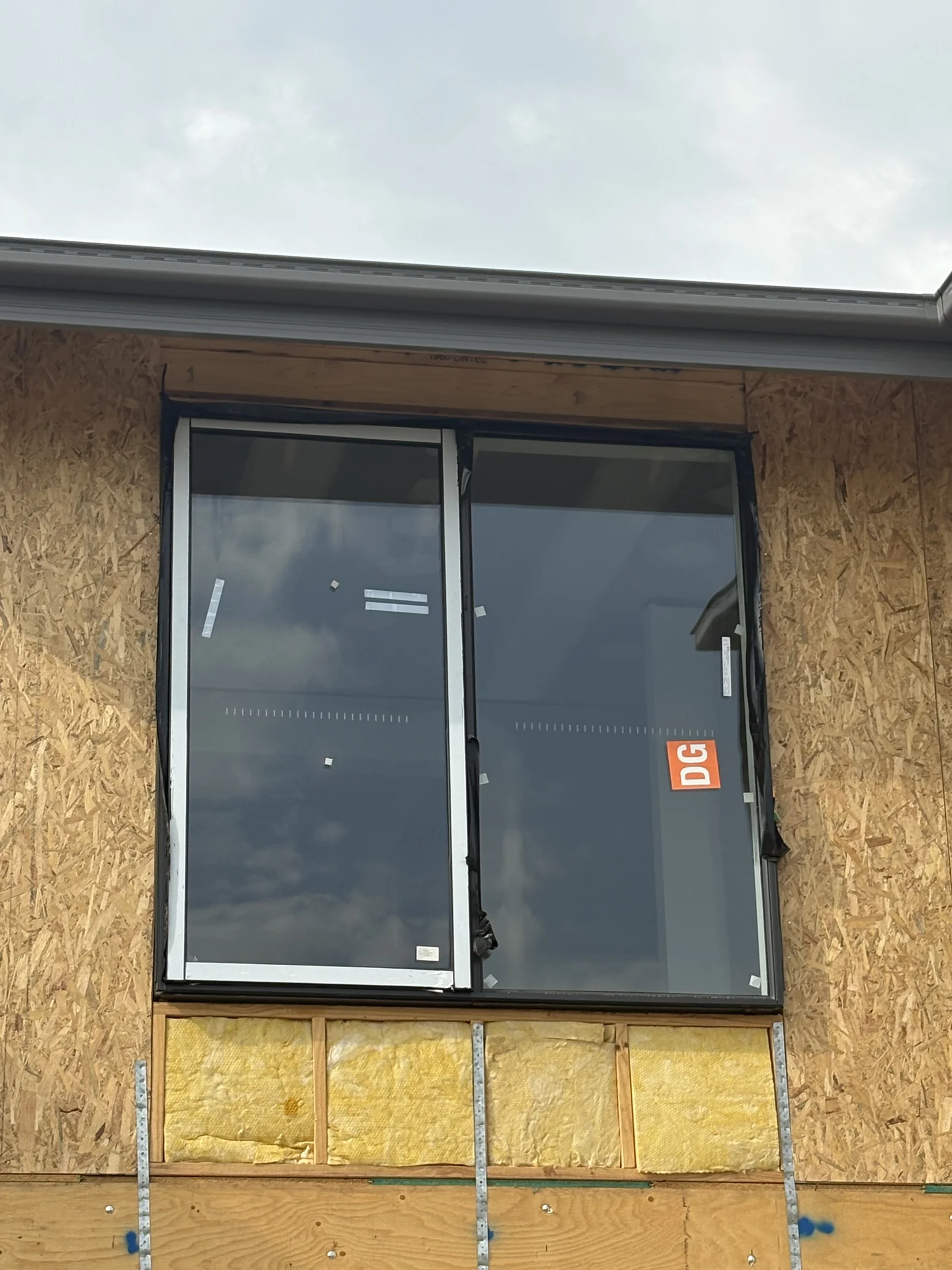
Structural alignment concerns at frame stage
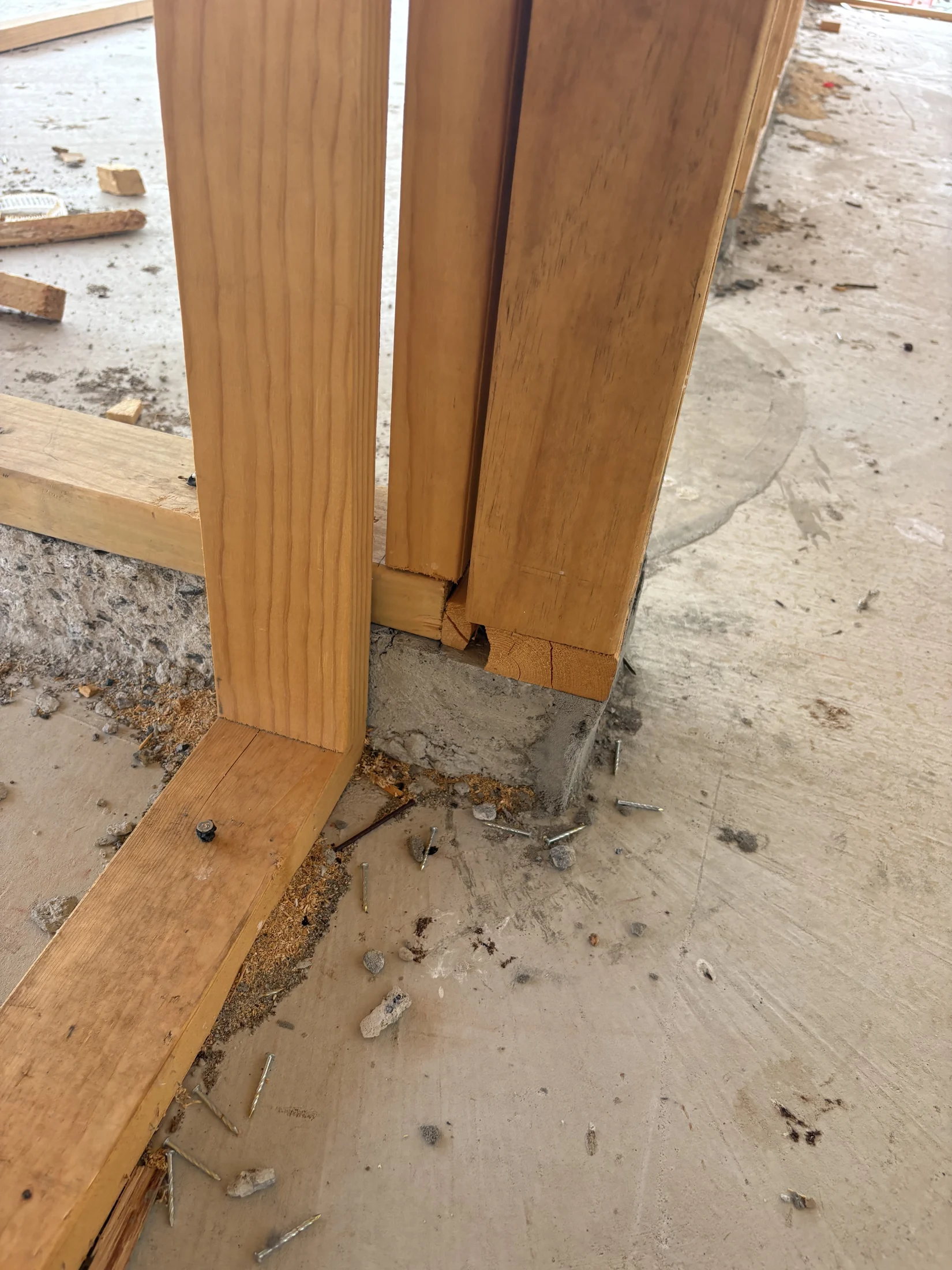
Concrete concerns originating from early construction
A second opinion doesn’t mean confrontation. It simply provides technical context.
Often, independent reports either:
Confirm the builder’s position, or
Identify legitimate rectification needs
Both outcomes are helpful.
Minor Defects vs Contractual Disputes
It’s important to separate physical defects from contract disagreements.
Minor Defects
Examples:
Paint touch-ups
Silicone gaps
Minor tile alignment issues
Shrinkage cracks
These are usually handled during the defect liability period.
Contractual Disputes
Examples:
Disagreement over upgrade inclusions
Dispute over finish selection
Scope interpretation issues
These are contract matters rather than defect matters. Keeping these categories separate helps keep discussions practical rather than emotional.
Builder Defect Liability Periods
In Victoria, most domestic building contracts include a defect liability period (commonly 3 months, sometimes longer depending on contract).
During this time, builders return to address:
Minor settlement cracks
Shrinkage
Cosmetic adjustments
This period exists because homes naturally move and settle after occupancy. Understanding this timeframe reduces urgency and stress around minor early issues.
Escalation Pathways (Without Jumping to Conclusions)
If concerns remain unresolved, typical pathways include:
Calm written clarification
Requesting further explanation referencing standards
Independent inspection review
Builder internal dispute process
Formal external dispute resolution (as a last step)
The majority of issues are resolved well before formal escalation. Approaching disagreements with documentation and measured communication usually leads to better outcomes than reactive responses.
How Some Issues Become Clearer After Handover
Not all defects present clearly before occupancy.
Some examples:
Brick movement after seasonal change
Minor slab settlement
Silicone shrinkage in wet areas
Timber shrinkage around door frames
This is why many homeowners choose a Post-Handover Maintenance Inspection around 3–12 months.
At this stage:
The home has experienced seasonal change
Landscaping may affect drainage
Settlement movement has stabilised
Early cosmetic shrinkage is visible
Sometimes, what initially seemed concerning at PCI may stabilise naturally. Other times, legitimate maintenance defects become more visible later. Understanding this timeline is important when asking what happens if you disagree with your builder’s defect response, because timing can influence clarity.
How to Approach the Conversation Productively
If you disagree with a response:
Ask for clarification referencing standards.
Keep communication written and professional.
Separate emotional language from technical facts.
Seek independent advice if genuinely unsure.
Most builders respond better to measured, documented queries than broad statements of dissatisfaction. Construction is a technical process. Aligning discussion with objective standards improves outcomes.
Realistic Expectations Matter
New homes are built by multiple trades, under time constraints, across varying site conditions.
That does not excuse poor workmanship, but it does explain minor variation.
A balanced mindset helps:
Not every imperfection is a defect.
Not every builder response is dismissive.
Not every disagreement requires escalation.
Often, disagreements resolve once both sides understand the framework being applied.
Final Thoughts
If you’re wondering, what happens if you disagree with your builder’s defect response?, the answer is usually far less dramatic than it feels in the moment.
Disagreements are common.
Standards provide context.
Documentation supports clarity.
Independent advice can provide reassurance.
Most defect discussions in Victoria are resolved through calm communication and reference to established tolerances. Building a home is a complex process. Approaching concerns with balance, understanding, and evidence tends to lead to the best long-term outcome, both for your home and for your peace of mind.