Browse article topics
What Problems Do Building Inspectors Most Often Find in Existing Homes?
Updated:
Buying an existing home can feel uncertain because no property is perfect. Even well-maintained houses usually show some ageing, maintenance needs, or small defects. A pre-purchase inspection is designed to give buyers a realistic picture of the property’s condition so they can make an informed decision.
Below is a practical guide, based on real inspection experience, explaining what inspectors most commonly identify and what those findings typically mean.
Buyers inspecting a property themselves may sometimes notice early indicators that suggest potential building concerns. Our article Red Flags When Buying a House — 15 Warning Signs Melbourne Home Buyers Should Look For outlines several visual warning signs inspectors commonly observe during property assessments.
Do most houses fail a building inspection?
There isn’t really a “pass” or “fail” outcome.
Under Australian Standard AS 4349.1 (the standard that governs pre-purchase building inspections), inspectors document the visible condition of accessible areas and identify defects, safety concerns, and maintenance issues. The goal is not to approve or reject the house, it is to help buyers understand the condition.
Most properties, even newer ones, will have at least some items noted in the report. That’s completely normal.
Often the report is less about discovering something “wrong” and more about helping the buyer understand:
what maintenance may be needed
what issues may require monitoring
which items may need further investigation
This is why What Problems Do Building Inspectors Most Often Find in Existing Homes? is really a question about normal property ageing rather than hidden disasters.
Before the inspection takes place, many buyers also want to know how long inspectors typically spend on site, which we explain in our guide on inspection timing.
What Problems Do Building Inspectors Most Often Find in Existing Homes?
Across thousands of inspections, certain patterns appear repeatedly. These are typically the most common findings.
For a deeper look at how inspectors conduct pre‑purchase evaluations and why these findings matter, see our guide Pre‑Purchase Building Inspections in Melbourne — A Complete Guide for Home Buyers.
Minor cracking and settlement movement
Small cracks in plaster, brickwork, or concrete are extremely common.
Houses naturally move slightly over time due to:
soil moisture changes
temperature expansion
building settlement
normal structural movement
Most cracks are cosmetic or minor. Inspectors look for patterns that suggest movement beyond normal ageing, but the majority are routine maintenance issues.
Many buyers are curious about the types of issues that typically appear in inspection reports. Our guide Pre-Purchase Building Inspections in Melbourne — A Complete Guide for Home Buyers explains how these common findings are assessed during the broader inspection process.
Buyers are often unsure whether they need both inspections — we explain the difference clearly in our guide to Building vs Pest Inspections.
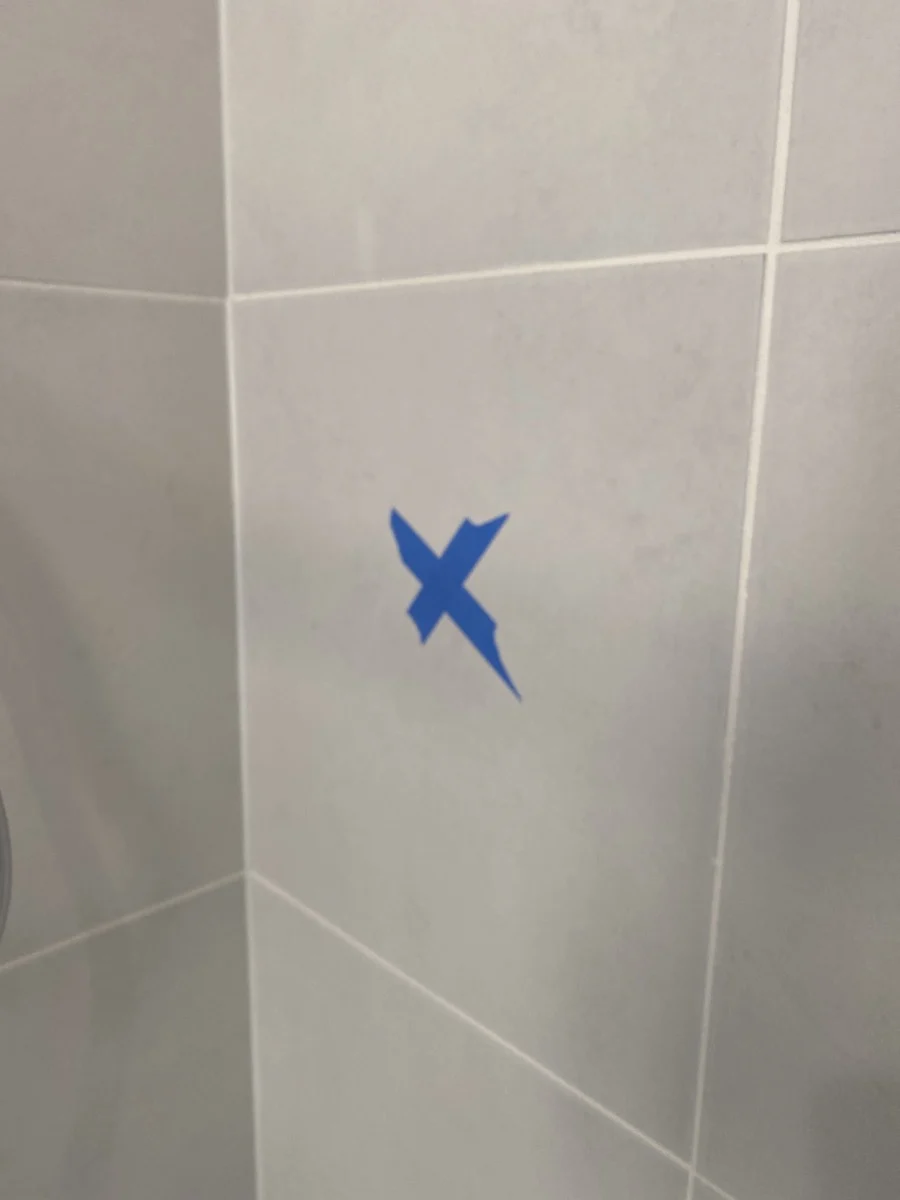
Moisture issues or drainage concerns
Moisture management is one of the biggest themes inspectors assess, consistent with NCC principles which emphasise keeping water out of structures.
Common observations include:
poor site drainage directing water toward the house
blocked or undersized stormwater paths
damp subfloor areas
bathroom sealant deterioration
external ground levels too high against walls
These are usually manageable but important for buyers to understand early.
These types of defects are commonly observed in older homes throughout Melbourne. Buyers researching established suburbs may also find our article Pre Purchase Building Inspections in Balwyn, Victoria helpful when understanding how inspections apply to homes in areas such as Balwyn and nearby suburbs.
Underfloor dampness is another commonly reported condition in older homes, and its seriousness depends on timber condition and ventilation — explained in Underfloor Moisture Found During a Pre-Purchase Inspection — How Serious Is It?.
Roof maintenance items
Roof spaces and coverings often reveal routine ageing.
Typical findings include:
cracked or slipped tiles
rusting metal sheets or flashings
ageing roof bedding or pointing
blocked gutters or downpipes
insulation disturbed or incomplete
Most roofs need periodic maintenance, and inspection reports usually highlight preventative work rather than urgent replacement.
These types of observations are commonly identified in older homes across Melbourne. Buyers researching properties in established suburbs may also find our article Pre Purchase Building Inspections in Surrey Hills, Victoria helpful when understanding how inspections apply to homes in this area.
Ageing sealants or waterproofing
Sealants around bathrooms, kitchens, windows, and external penetrations deteriorate over time.
Inspectors frequently note:
shrinking or cracked silicone
gaps around wet areas
worn shower seals
deteriorated external joints
These are small items individually, but collectively they can allow moisture entry if ignored.
These types of observations frequently appear in inspections of established homes across Melbourne. Buyers researching eastern suburbs property may find our article Pre Purchase Building Inspections in Doncaster, Victoria useful when understanding how inspections apply to homes in this area.
Ventilation limitations
Poor ventilation appears frequently in older properties.
Inspectors often observe:
limited roof cavity ventilation
bathrooms without adequate exhaust systems
enclosed subfloor spaces with restricted airflow
Ventilation affects moisture control, mould risk, and long-term building durability.
These types of findings are commonly observed in established homes across Melbourne. Buyers researching properties in the inner east may also find our article Pre Purchase Building Inspections in Hawthorn, Victoria helpful when understanding how inspections apply to homes in this area.
Timber wear or external exposure
External timber elements such as:
decking
pergolas
handrails
weatherboards
often show weathering or surface deterioration.
In many cases this is simply normal ageing and maintenance rather than structural failure.
Some defects identified in older properties can relate to past renovation work or alterations carried out over many years. Our guide Can a Building Inspection Reveal Hidden Renovation Work? explains how inspectors identify these signs during a pre-purchase inspection.
If you’re wondering how these kinds of observations typically influence buyer decisions during a purchase, our guide on whether a building inspection can affect a property purchase explains how reports are normally interpreted in real transactions.
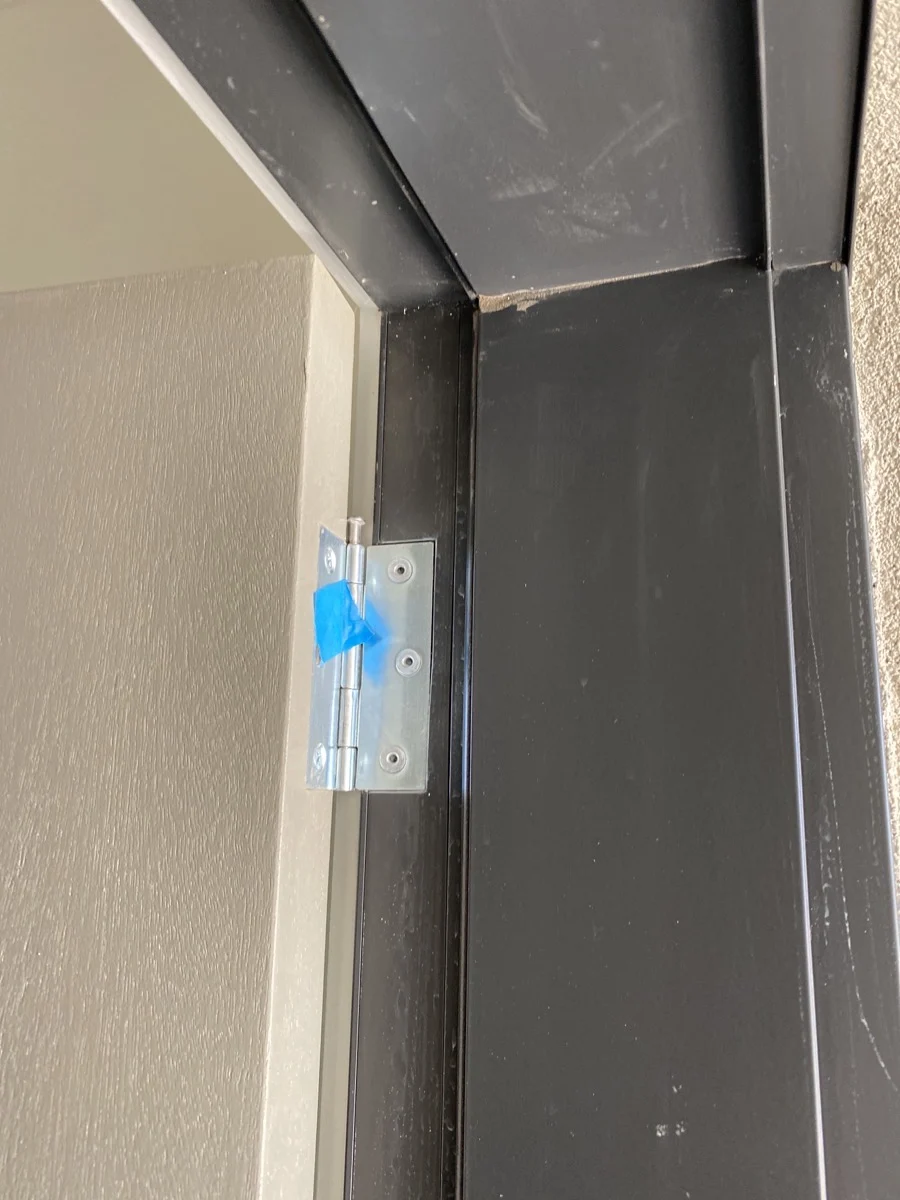
Incomplete DIY repairs
One of the most common real-world inspection observations is previous owner repairs that were partially completed or done informally.
Examples include:
patched plaster without repainting
uneven tile repairs
modified plumbing fittings
altered electrical outlets
makeshift drainage solutions
These don’t always mean serious problems, but they can indicate areas worth checking more closely.
For more detail on how DIY and maintenance items commonly present in reports, and how inspectors interpret them, see our guide on DIY Repairs Found During a Pre-Purchase Inspection — When to Worry (and When Not To)
Normal wear and ageing components
Every house has consumable items.
Inspectors commonly note:
worn carpets or flooring
ageing appliances
older hot water systems
faded external paint
sticking doors or windows
These are expected parts of property ownership.
These types of observations frequently appear during inspections of older homes across Melbourne. Buyers researching properties in the inner east may also find our article Pre Purchase Building Inspections in Camberwell, Victoria helpful when understanding how inspections apply to homes in this suburb.
Are cracks always serious?
No. In fact, most cracks reported during inspections are minor.
Inspectors assess:
width of cracking
location
pattern
associated movement signs
door or window distortion
Hairline plaster cracks are extremely common and rarely structural.
Larger structural movement indicators are less common and typically show multiple supporting signs.
Reports normally explain whether cracking appears:
cosmetic
typical settlement
or potentially structural
Do older homes always have issues?
Older homes almost always have some maintenance items, but that doesn’t mean they are poor purchases. In many cases, older properties actually perform well structurally because they have already settled and proven stable over decades.
What older homes often show instead is:
ageing roofing materials
outdated waterproofing systems
older electrical layouts
reduced insulation compared to modern builds
timber components needing maintenance
Buyers often use inspection reports to plan future upgrades rather than walk away.
What findings typically mean for buyers
Inspection results generally fall into three practical categories.
Routine maintenance
The majority of report items fall here.
These are expected ownership tasks such as:
resealing wet areas
clearing gutters
repainting exposed timber
replacing worn sealant
Repair items requiring budgeting
Some items may need attention in the short to medium term.
Examples:
roof repairs
drainage improvements
bathroom waterproofing nearing end of life
replacement of ageing hot water systems
These don’t necessarily stop a purchase but help buyers budget realistically.
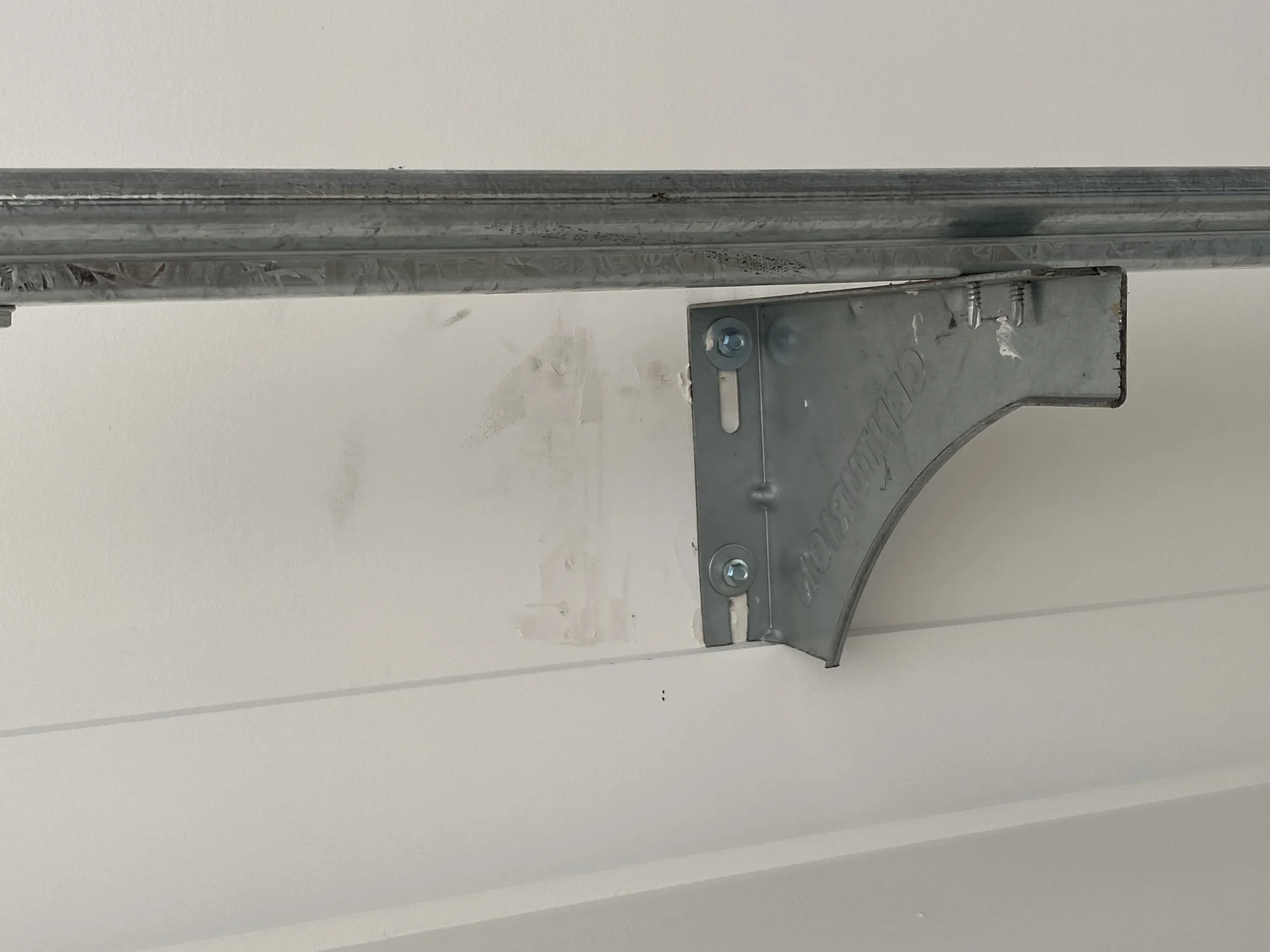
Higher-risk indicators
Occasionally inspectors identify items requiring further specialist review, such as:
significant structural movement patterns
major water ingress
termite damage indicators
safety hazards
These are less common but important when they occur.
How inspection reports help decision-making
A good inspection helps buyers:
understand the real condition of the property
avoid unexpected major costs
prioritise maintenance
negotiate realistically if needed
proceed with confidence
If you want to understand the full scope of what is assessed, this guide explains it clearly: A detailed overview is available in “What Does a Pre-Purchase Building
For buyers seeking a structured professional assessment before purchase, a standard pre-purchase building inspection service page explains how this type of inspection is typically arranged and reported.
In some situations, such as neighbouring construction or property condition documentation before works begin, buyers may also encounter the separate process known as a dilapidation inspection service page, which records the existing condition of structures for comparison later.
Independent providers such as ClearScope Building Inspections typically follow the AS 4349.1 framework when carrying out pre-purchase inspections so reports remain consistent with Australian inspection practices.
Practical inspection limitations buyers should understand
Inspections are primarily visual, non-invasive assessments.
Inspectors generally:
assess accessible areas only
look for condition indicators and risks
document visible defects
cannot see inside walls or underground services
do not predict future failures
The report reflects the property condition at the time of inspection, not what might happen years later.
Understanding this helps buyers interpret findings realistically.
Should problems stop me buying the property?
In most cases, no. Almost every property has some issues.
The real question is whether the problems are:
manageable
expected for the property age
properly understood
reflected in the purchase price
Many successful purchases occur after inspections reveal routine maintenance needs.
The value of the inspection is not that it finds nothing, it’s that it removes uncertainty.
Final practical takeaway for buyers
Most existing homes show:
minor cracking
maintenance items
ageing materials
moisture management adjustments
normal wear
This is part of property ownership, not a sign of a bad house.
A professional inspection simply translates what an experienced eye sees into clear information so buyers can make calm, informed decisions and in real-world purchasing, that clarity is usually far more valuable than the hope of finding a completely flawless property.