Browse article topics
Kitchen Cabinet Defects in New Homes: What’s Normal and What’s Not
Updated:
Walking through your kitchen at handover can be one of the most exciting parts of a new build. Everything looks fresh, clean, and complete. But for many homeowners across Truganina, Cobblebank, Weir Views, Armstrong Creek and other Melbourne growth areas, it’s also the moment where small concerns start to stand out.
Cabinet doors that don’t quite line up. Panels that feel slightly uneven. Edges that look unfinished. Or in some cases, swelling or damage that raises bigger questions.
Understanding Kitchen Cabinet Defects in New Homes: What’s Normal and What’s Not is important because not every issue you see is a defect, and not every defect should be accepted.
This is where broader context helps. Articles like Practical Completion Inspection (PCI) Defects in New Homes — What Inspectors Commonly Find Before Handover, When Is the Right Time to Book Each Stage Inspection for a New Build?, and How a New Home Is Built in Australia — From Slab to Handover explain why some cabinet issues only become visible right at the end of the build.
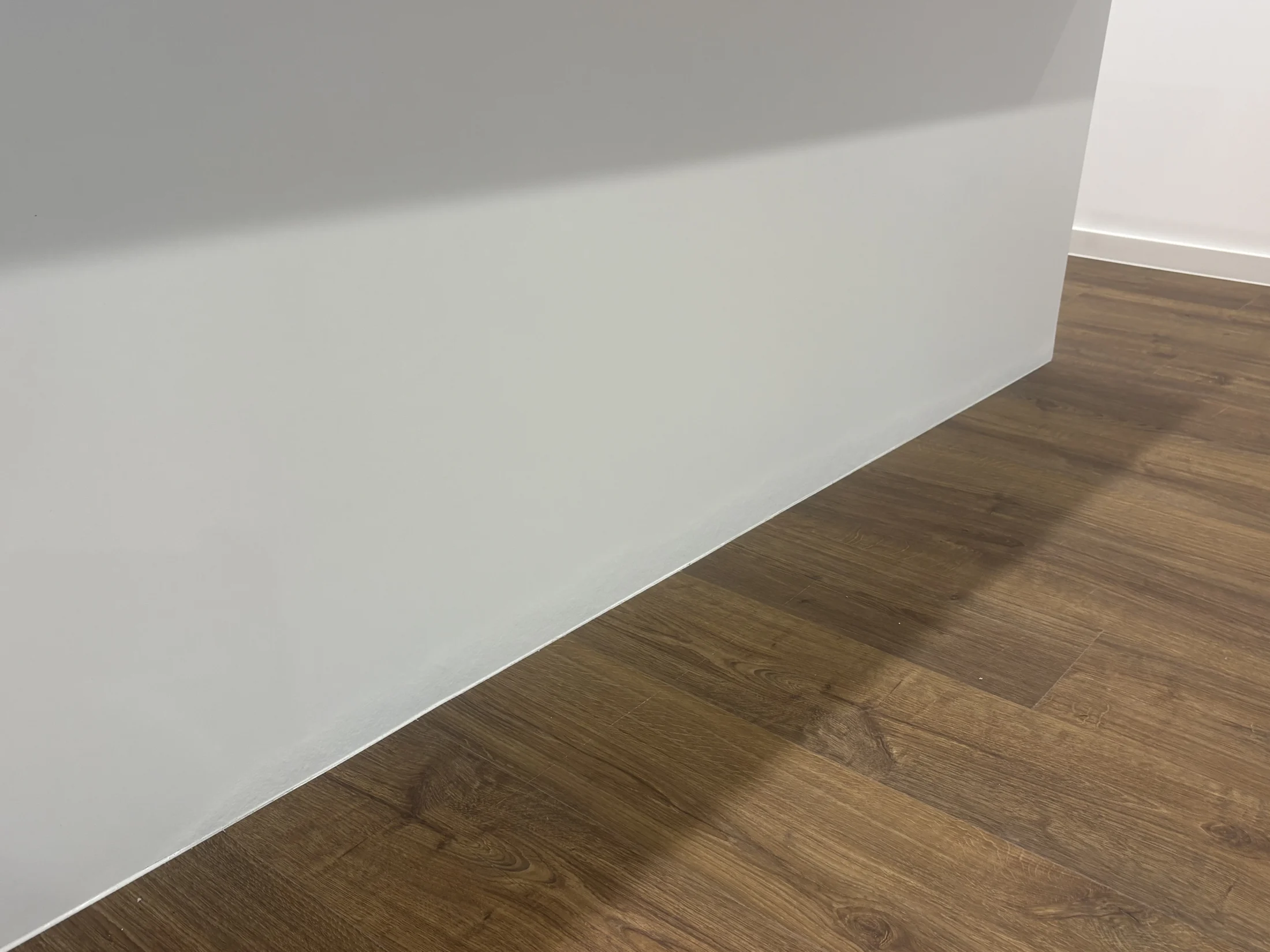
Kitchen Cabinet Defects in New Homes: What’s Normal and What’s Not
Cabinetry sits right at the intersection of structure, finishes, and services. That means defects can come from multiple sources:
Installation quality
Material behaviour
Moisture exposure
Earlier construction stages
Final finishing works
Some variation is expected in any new home. Minor alignment differences, small gaps within tolerance, and slight variations in finish are often considered normal.
But once an issue affects durability, function, or long-term performance, it moves into defect territory.
Common Cabinet Defects Homeowners Notice
Swollen or Water Damaged Panels
This is one of the more serious cabinet issues. Panels may swell, bubble, or feel soft when moisture has entered the board.
This is covered in more detail in Water Damaged Melamine Panels in New Homes: Why Replacement Is Usually the Only Proper Fix, where the focus shifts from appearance to material integrity.
Unsealed Cut-Outs and Exposed Edges
Areas around sinks, plumbing penetrations, and internal cut-outs are vulnerable if not sealed correctly. Moisture can enter and cause gradual deterioration.
This is a known pathway for damage, particularly in kitchens and laundries.
Misaligned Doors and Panels
Doors that don’t line up perfectly or have uneven gaps are common at PCI. In many cases, this is a simple adjustment issue rather than a major defect.
Gaps and Uneven Joins
Small inconsistencies between panels, kickboards, or benchtops can occur. The key question is whether the gaps are within tolerance or visually excessive.
Damaged or Marked Surfaces
Scratches, chips, or dents may occur during construction. These are typically cosmetic but should still be addressed before handover.
Poor Sealing Around Cabinets
Gaps or missing silicone where cabinets meet walls or splashbacks can allow moisture ingress over time.
As discussed in Missing Silicone Behind Baths and Basins: A Hidden Waterproofing Risk in New Homes, small sealing omissions can lead to bigger problems later.
When Cabinet Issues Are Cosmetic vs When They Matter
A practical way to assess cabinet defects is to ask:
Does it affect how the cabinet works?
Does it affect durability or longevity?
Is the issue likely to worsen over time?
Cosmetic issues:
Minor scratches
Slight alignment variation
Small, consistent gaps
Performance-related defects:
Swollen or soft panels
Loose or unstable cabinetry
Moisture-related damage
Poorly sealed vulnerable areas
The difference matters because cosmetic issues may be repaired or adjusted, while performance issues often require replacement or more significant rectification.
While kitchens and laundries share similar materials, their risk profiles differ. Laundry Cabinet Defects in New Homes: What’s Normal and What’s Not highlights how moisture exposure in laundries changes what is considered acceptable.
Water-Related Cabinet Damage
Water exposure is where cabinet defects move from minor to significant. In homes across Berwick and Truganina, this often shows up as swelling around sink cabinets or internal shelving. What starts as a small issue can quickly become permanent damage.
As explained in Water Damaged Melamine Panels in New Homes: Why Replacement Is Usually the Only Proper Fix, once moisture enters the board, the internal structure changes. Drying or patching does not restore it.
This is why water-related cabinet damage should always be taken seriously at PCI.
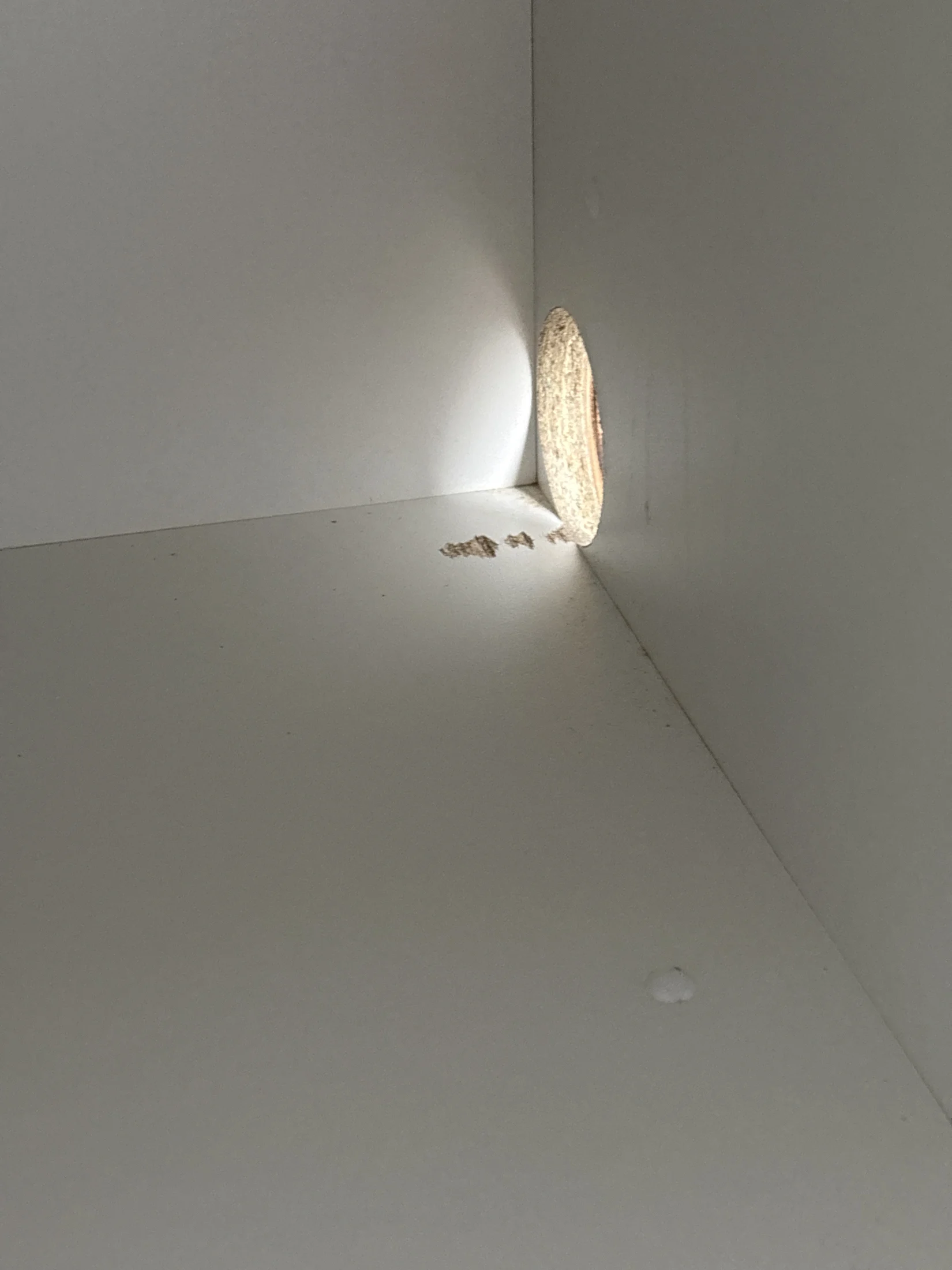
Cabinet Defects at PCI: What You Should Pay Attention To
PCI is where many cabinet issues become visible for the first time.
At this stage, homeowners should focus on:
Any signs of swelling or moisture damage
Door alignment and functionality
Stability of cabinetry
Quality of finishes and joins
Sealing around vulnerable areas
For a deeper breakdown, Swollen Cabinet Panels at PCI: What Homeowners Should and Shouldn’t Accept explains how to assess these issues specifically at handover.
Why Some Cabinet Defects Only Show Up Late
Cabinetry is installed toward the end of the build. That means:
Earlier moisture issues may only become visible later
Finishes may hide underlying problems until final stages
Minor defects can develop during the final weeks of construction
This is why articles like Why Independent Inspections Are Carried Out at Multiple Stages of a New Build, And How It Adds Value are important. Earlier inspections help reduce the risk of hidden issues appearing at handover.
How Earlier Stages Influence Cabinet Quality
Cabinet defects are not always caused at installation.
They can be influenced by:
Waterproofing quality
Plumbing installation
Framing accuracy
Timing of trades
Fix stage inspections are particularly important here. The Fix Stage Inspection helps identify risks before final finishes are complete.
What Inspectors Look For
Inspectors typically assess:
Alignment and consistency
Fixing and stability
Signs of moisture or damage
Quality of finishes
Compliance with expected tolerances
The goal is not perfection, but identifying whether something falls outside reasonable expectations.
Practical Advice for Homeowners
If you notice cabinet issues at PCI:
Take clear photos
Ask what caused the issue
Clarify whether it is cosmetic or structural
Confirm how it will be rectified
Avoid accepting vague “touch-up” solutions for material damage
Understanding Kitchen Cabinet Defects in New Homes: What’s Normal and What’s Not helps you approach handover with confidence rather than uncertainty.
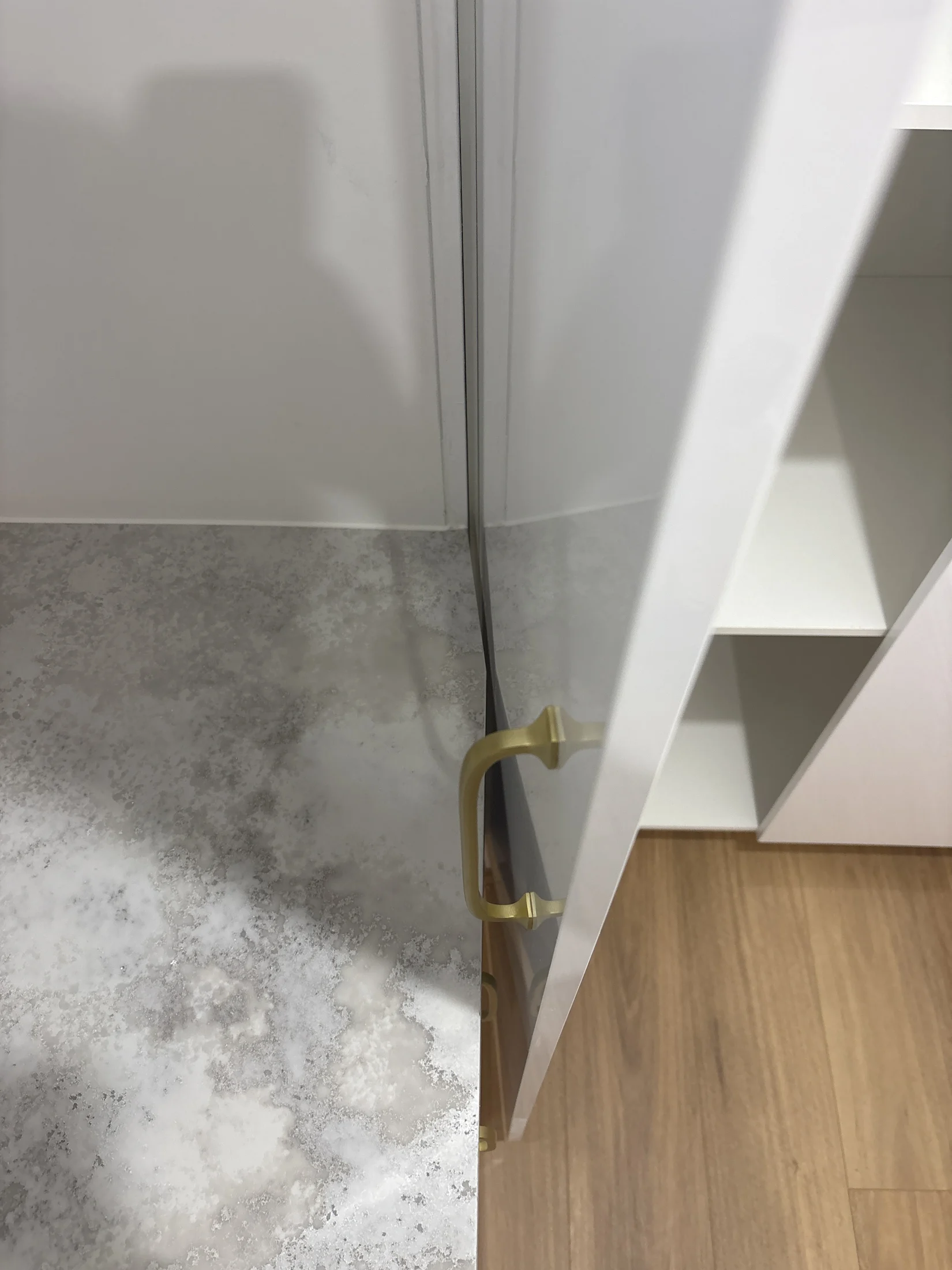
Final Thoughts
Cabinet defects sit in a grey area for many homeowners. Some variation is normal, but not everything should be accepted.
Kitchen Cabinet Defects in New Homes: What’s Normal and What’s Not ultimately comes down to understanding:
What affects performance
What is likely to worsen
What should be properly rectified
With the right knowledge and the right inspection approach, you can make informed decisions and avoid issues that may otherwise carry through into long-term use.
FAQs
Are kitchen cabinet defects common in new homes?
Yes, minor defects are common, but not all should be accepted at handover.
What cabinet defects are considered normal?
Small alignment variations and minor surface marks are often considered normal.
What cabinet defects are not acceptable at PCI?
Swelling, structural damage, instability, or moisture-related issues should not be accepted.
Should swollen cabinet panels be replaced?
In most cases, yes. Swelling indicates internal damage to the board.
Can cabinet doors be adjusted instead of replaced?
Yes, if the issue is alignment only and not structural.
Is uneven cabinet alignment a defect?
It depends on severity. Minor variation can be normal, but large inconsistencies are defects.
What causes cabinet swelling in new homes?
Moisture exposure from leaks, poor sealing, or installation issues.
Can I accept cosmetic defects at handover?
Some minor cosmetic defects may be acceptable, but they should still be documented.
How do I know if cabinet damage is serious?
Softness, swelling, and deformation are signs of more serious issues.
Are kitchen cabinets covered under defect liability?
Generally yes, depending on the cause and timing.
Should silicone be present around cabinets?
Yes, especially in wet or splash-prone areas.
What happens if I accept defects at PCI?
It may be harder to have them rectified later.
Do inspectors check kitchen cabinets?
Yes, as part of PCI and final stage inspections.
Can water damage spread in cabinetry?
Yes, if moisture exposure continues.
What is the fix stage in relation to cabinets?
It is when cabinetry and internal finishes are installed.
Why do some defects only appear at handover?
Because finishes are completed late in the build process.
Are scratches in cabinets acceptable?
Minor scratches may be acceptable, but noticeable damage should be rectified.
Should I push back on cabinet defects?
If the issue affects performance or durability, yes.
How can I prevent cabinet defects?
Proper inspections and ensuring quality sealing and installation.
Is it worth getting an independent inspection?
Yes, especially at PCI to identify issues before handover.